EspañolUn ritual de más de cinco siglos entre fuego, fe y resistencia
Donde comienza el ritual: territorio y memoria
Desde hace más de quinientos años, la localidad extremeña de Helechosa de los Montes conserva una de las manifestaciones rituales más singulares del patrimonio cultural español: la Fiesta de los Diablucos.
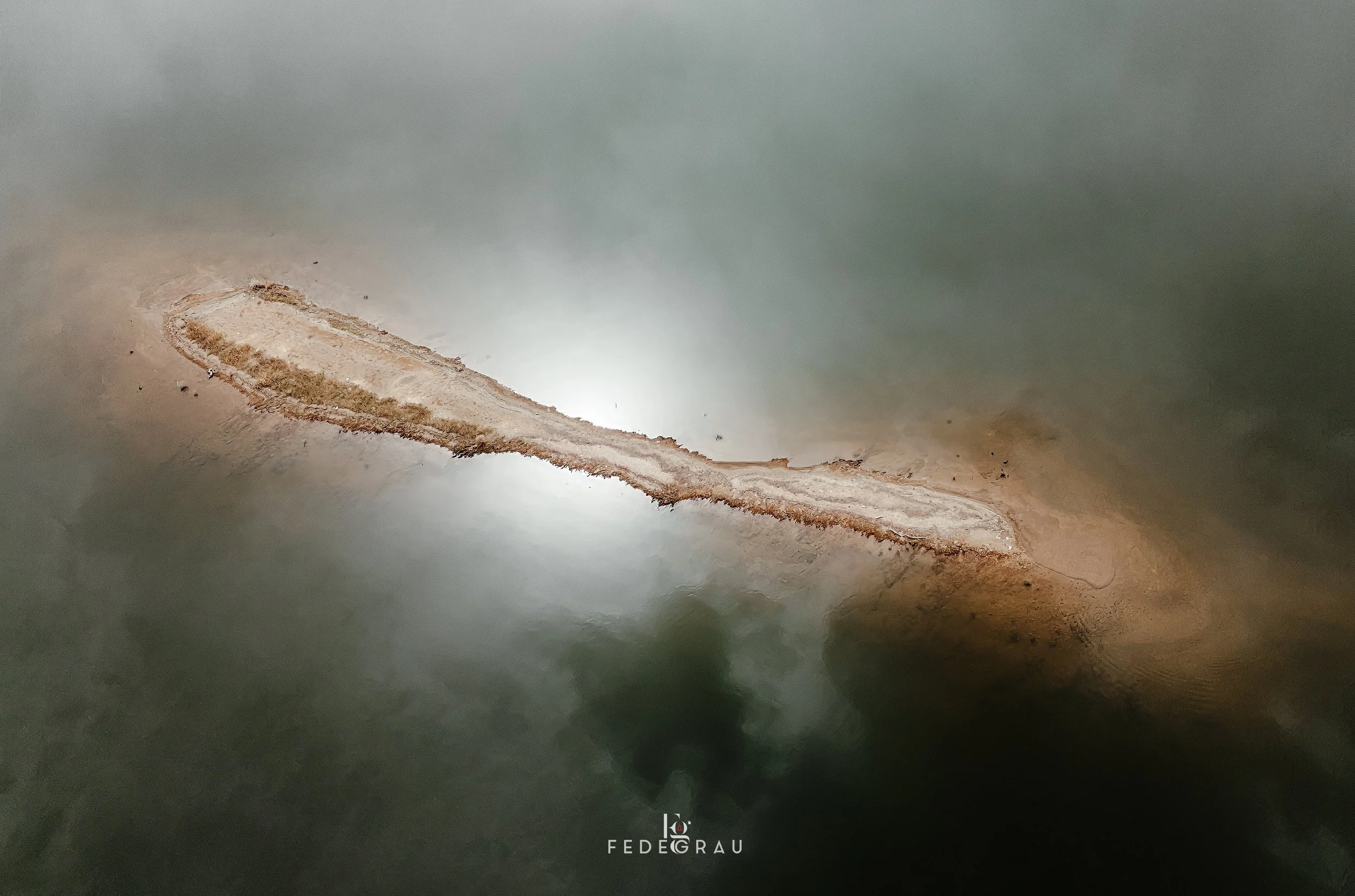
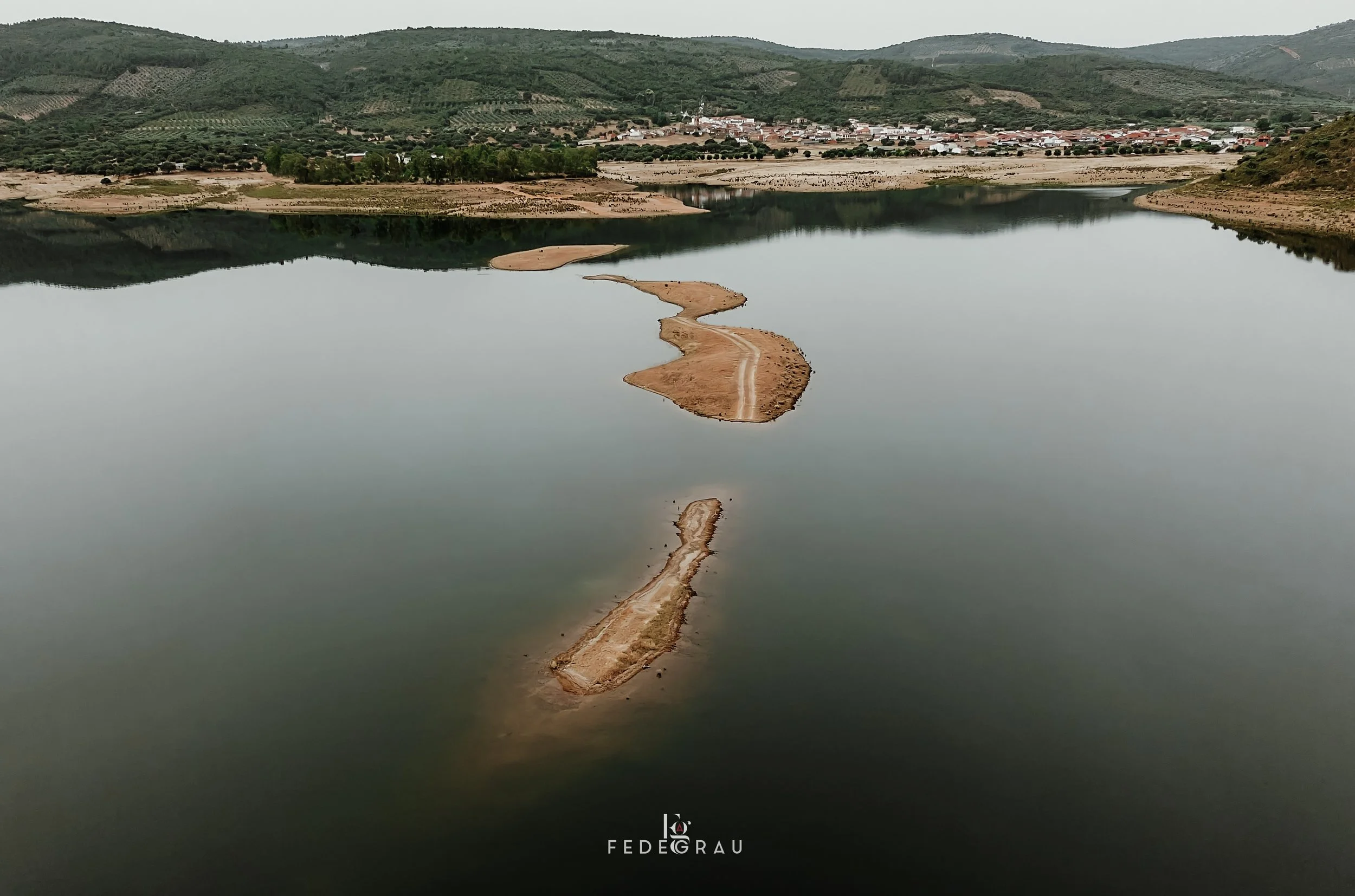
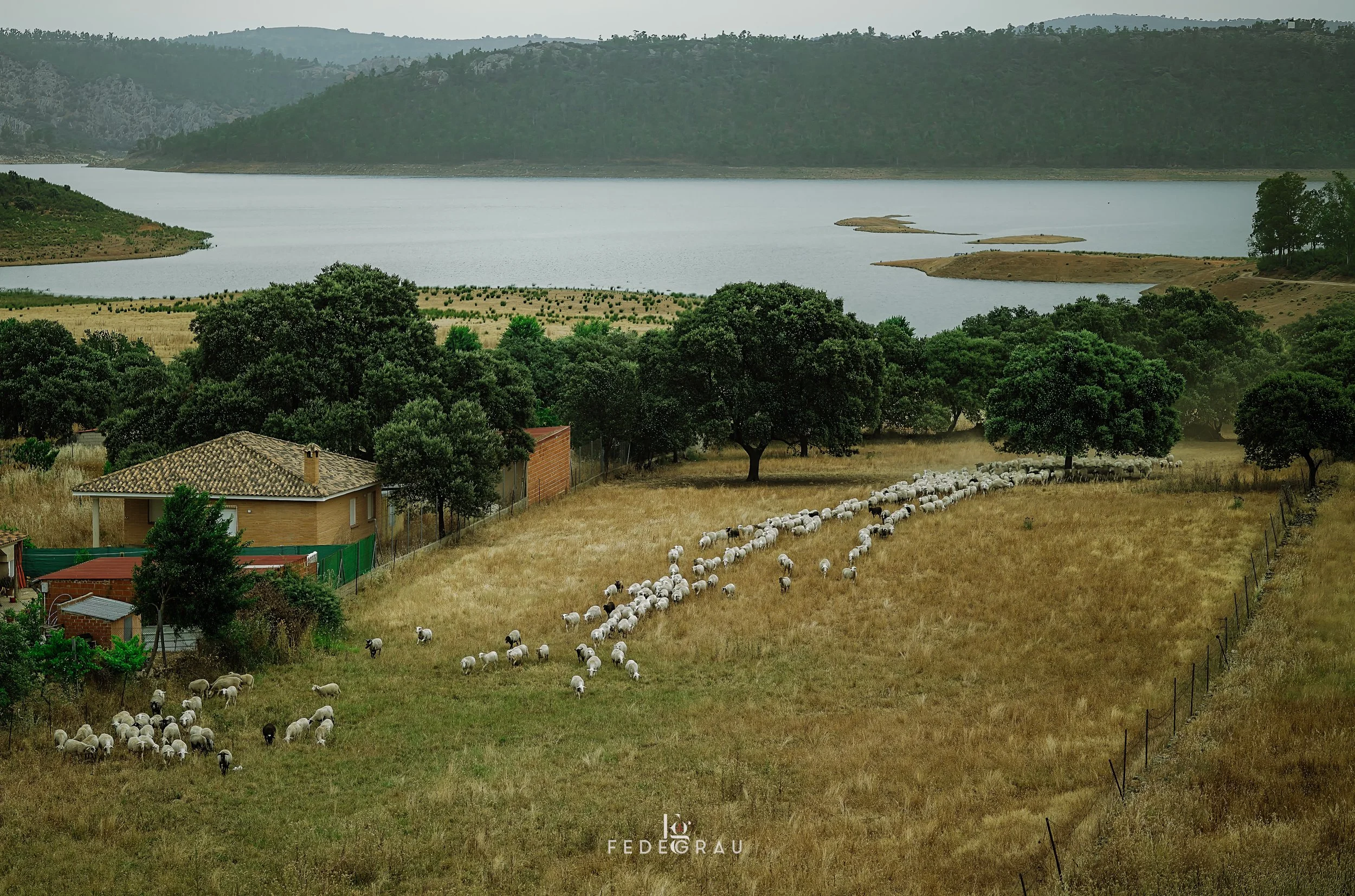
Antes de que aparezcan las máscaras, antes del sonido del tambor, está el territorio. El paisaje agua, colinas, calles de piedra actúa como escenario y memoria viva de una tradición que no se representa: se vive.
El rojo entra en escena
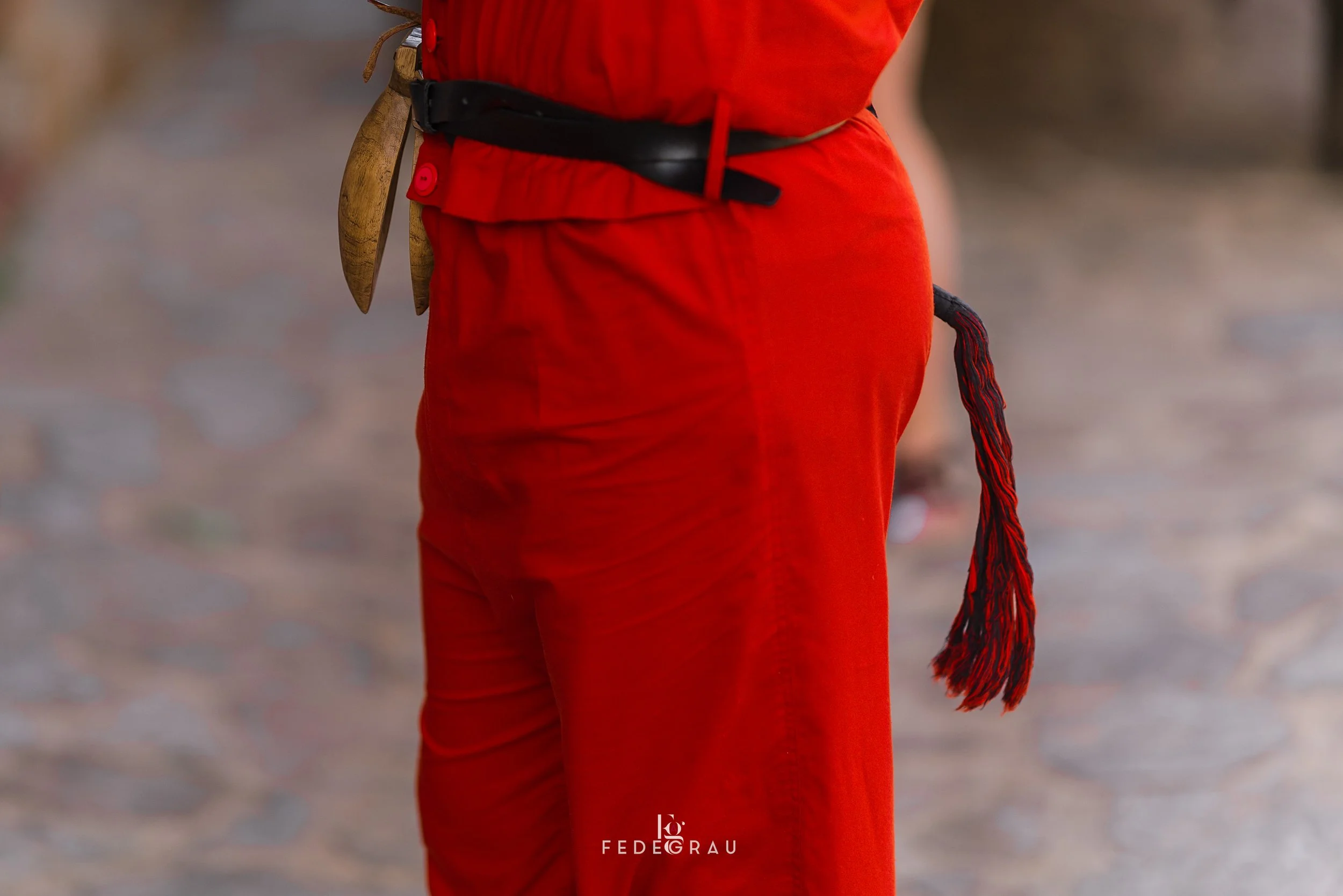
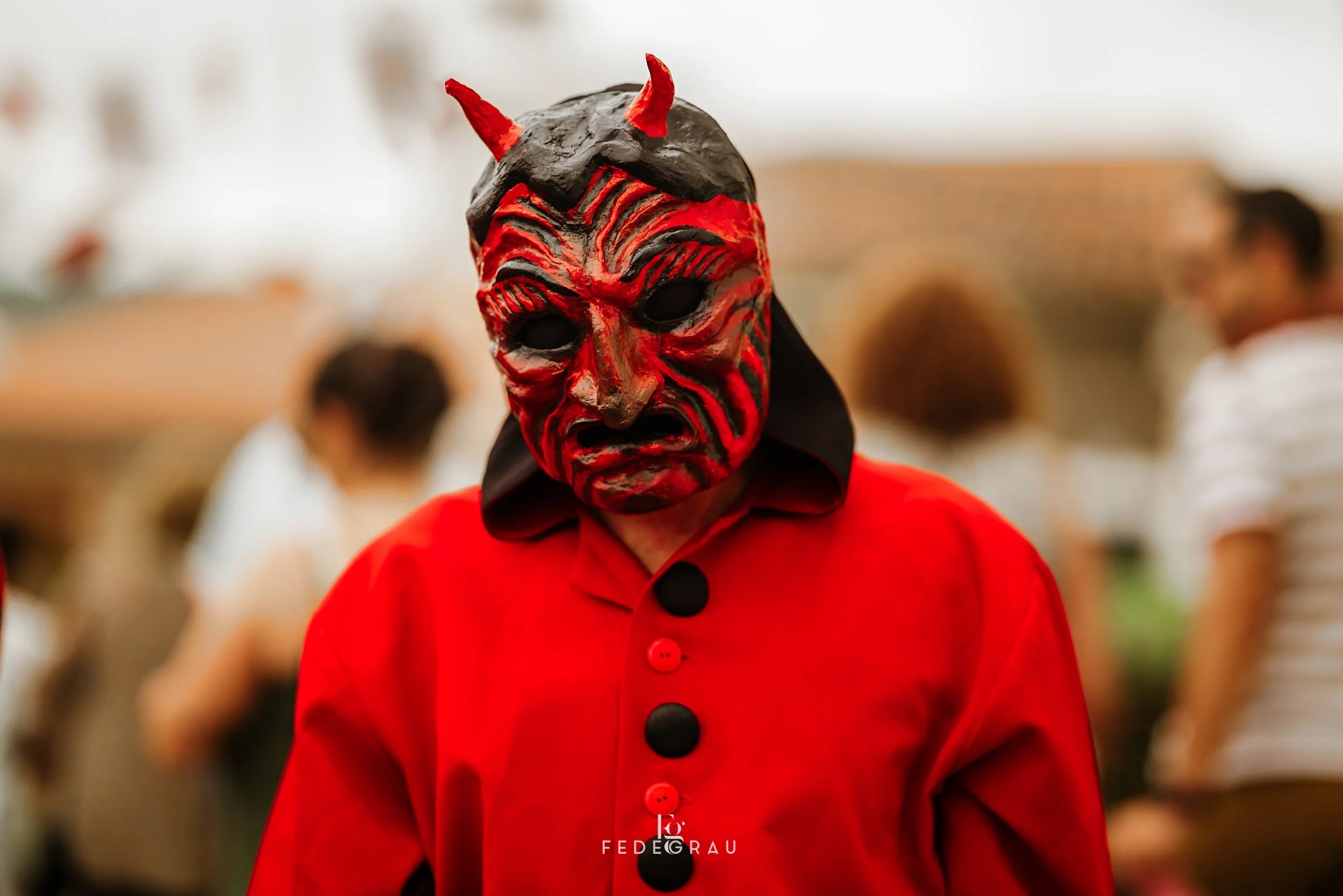
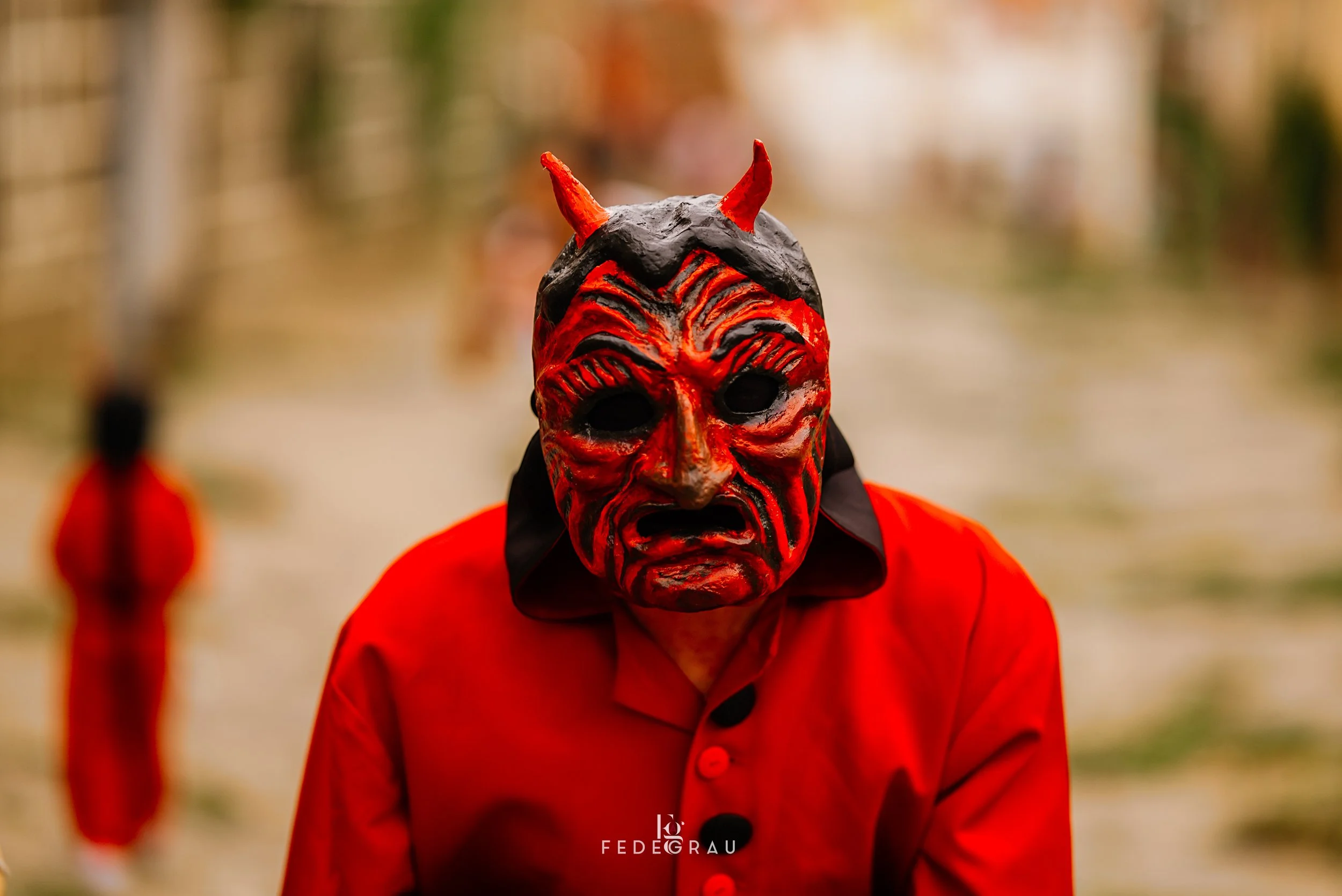
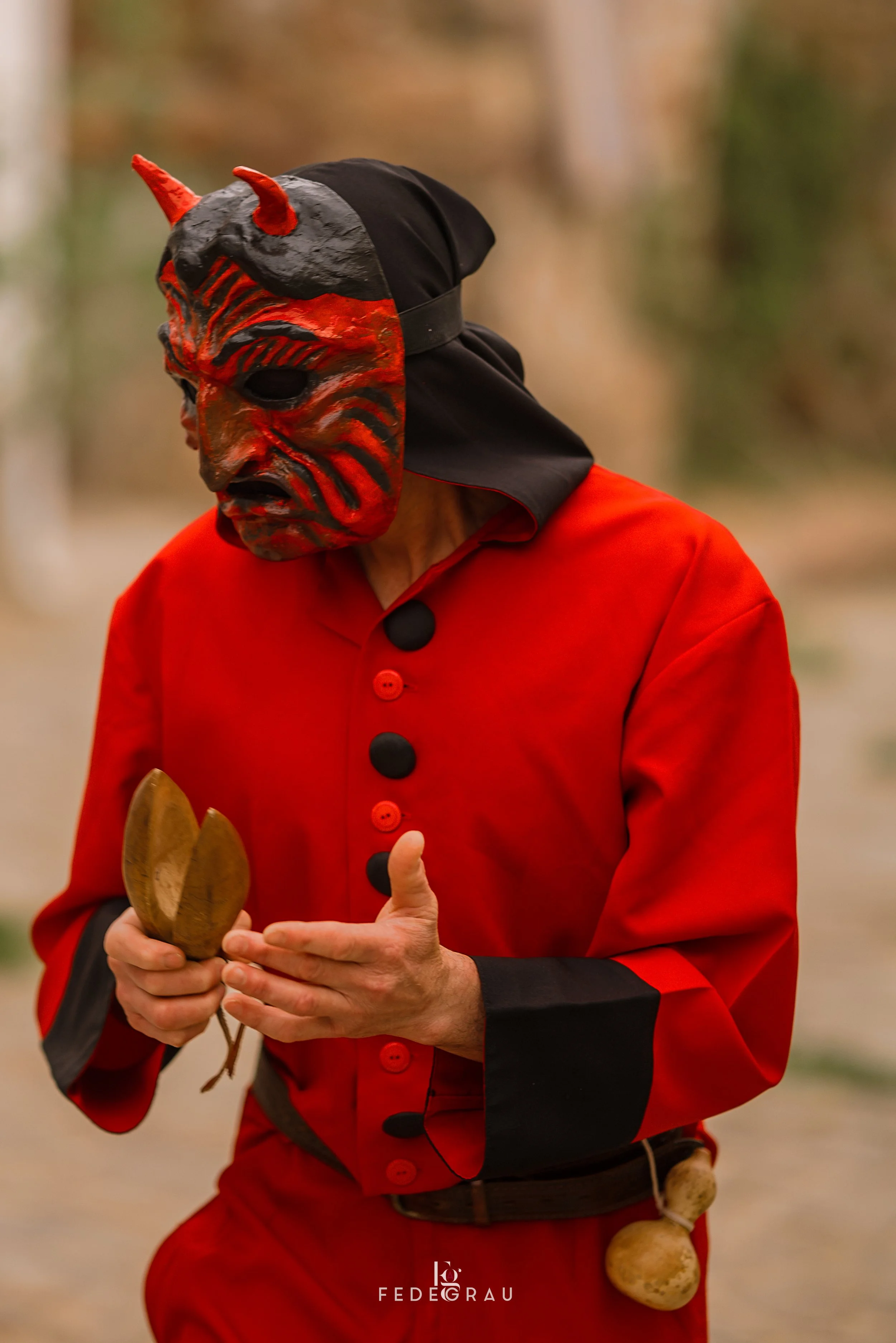
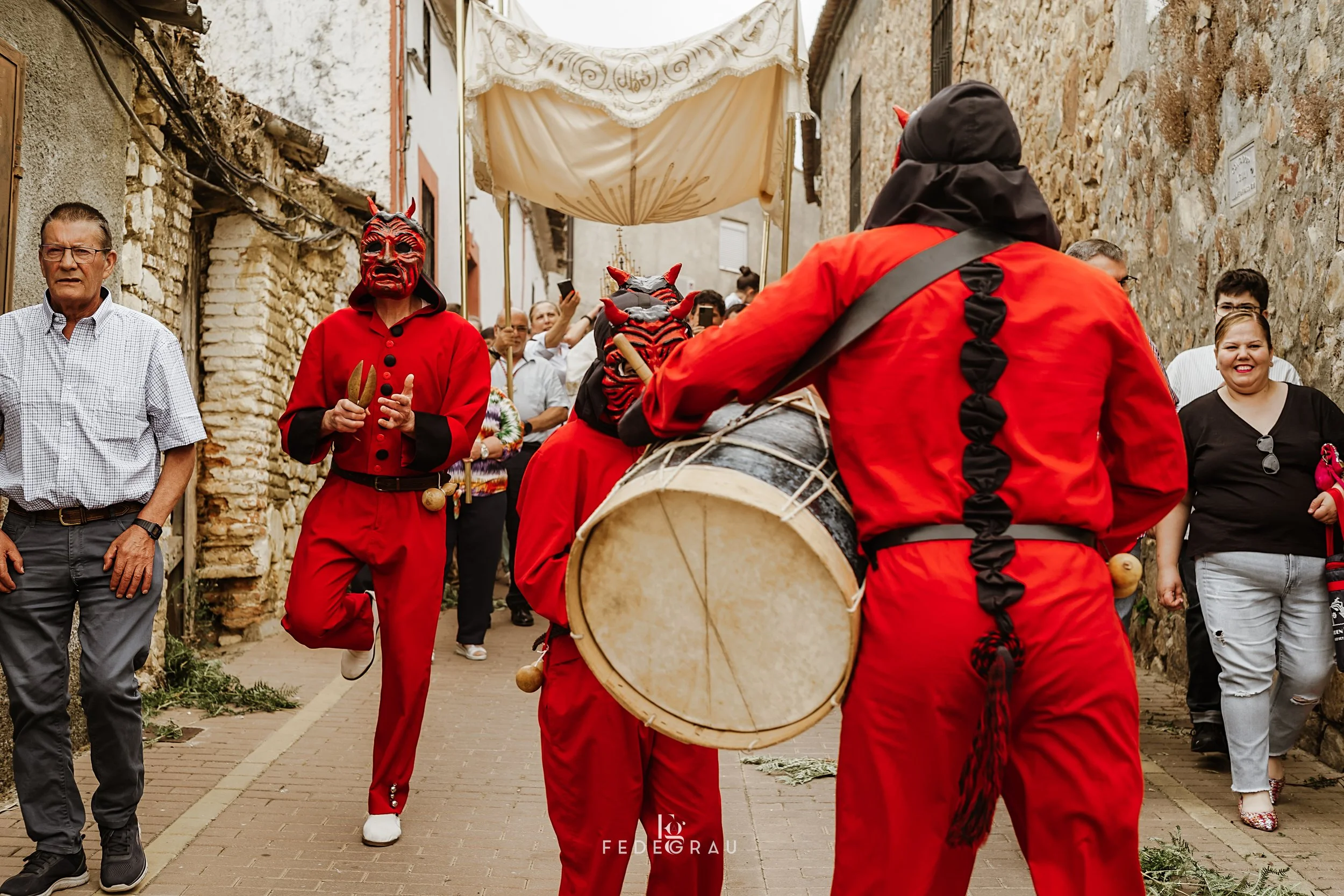
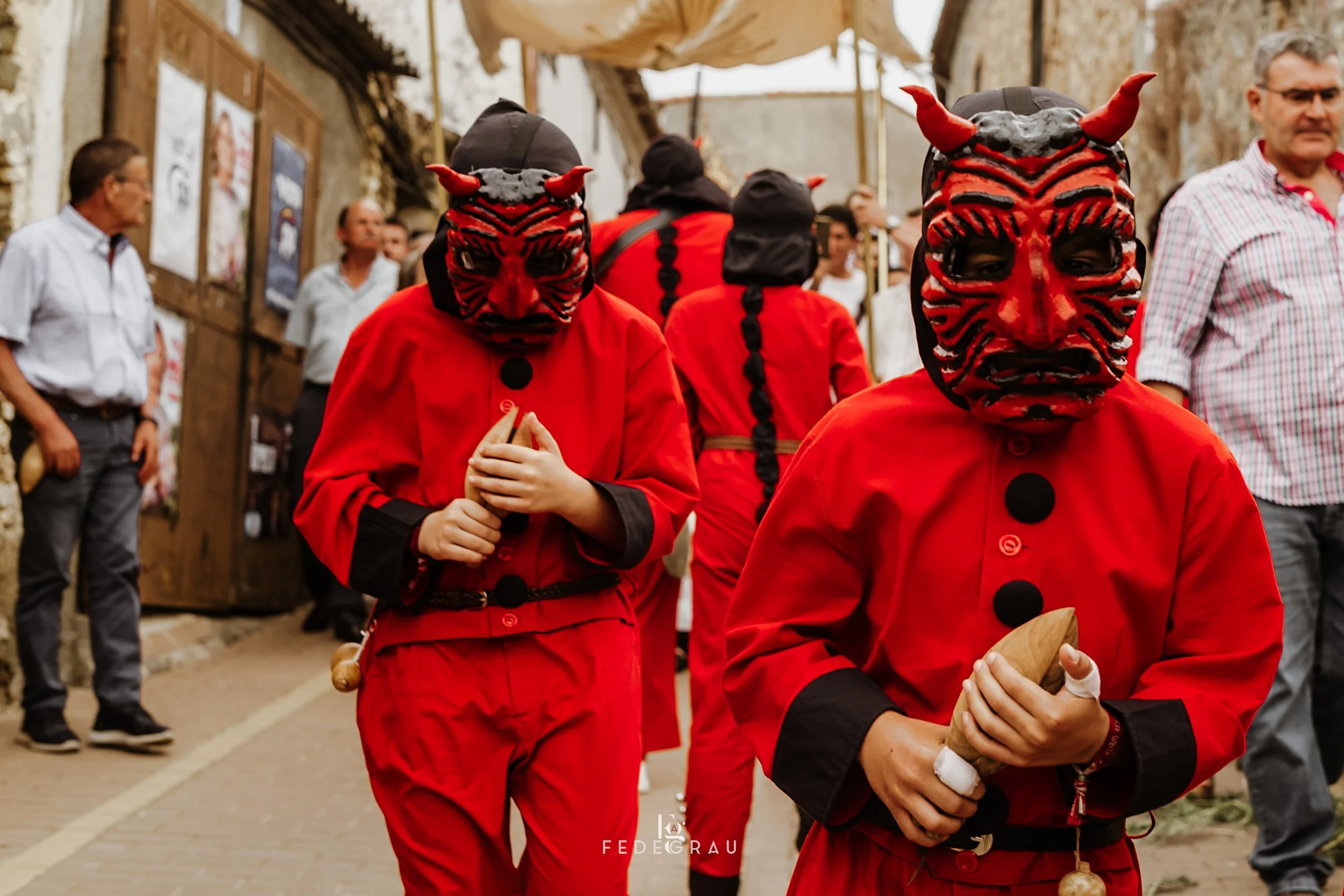
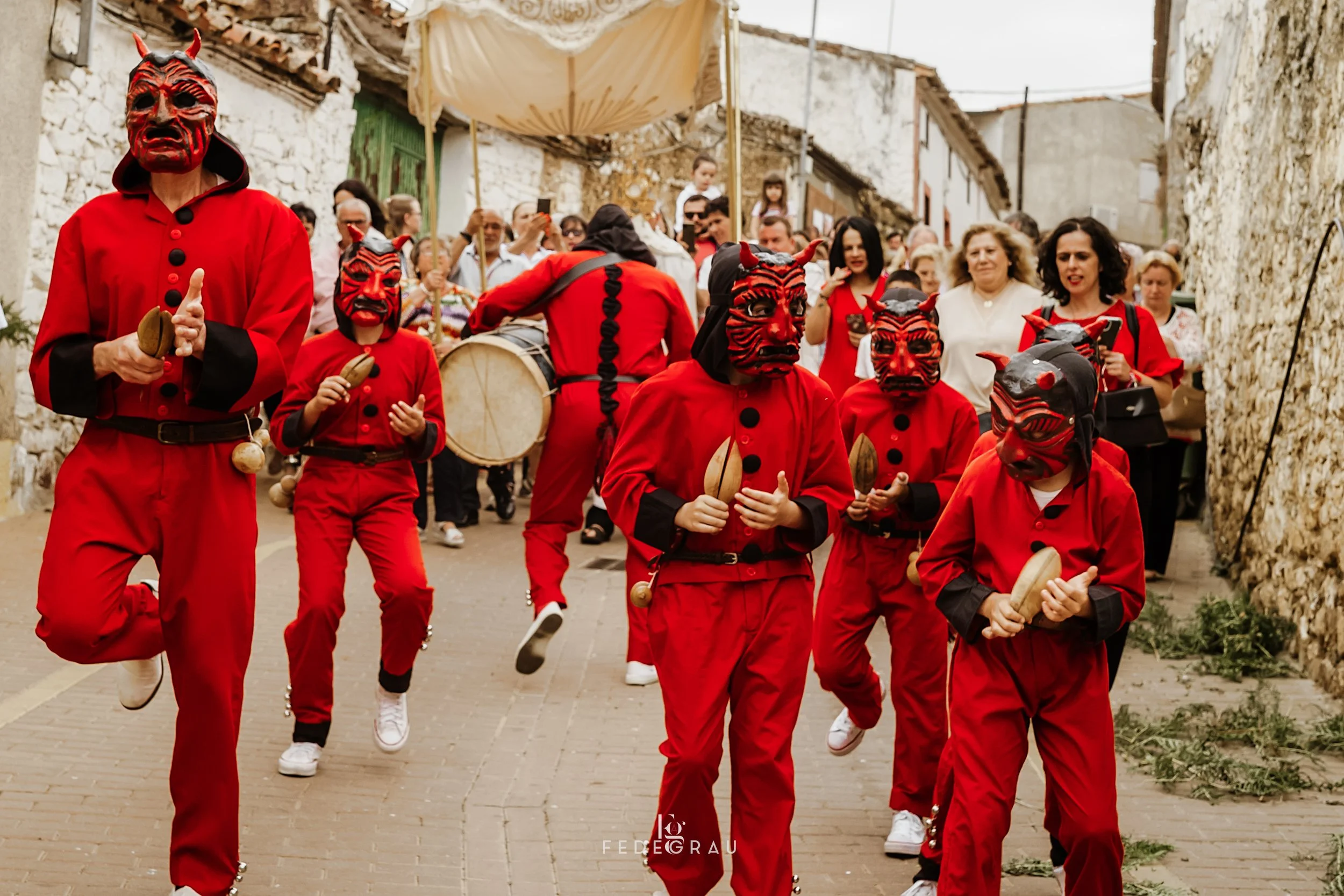
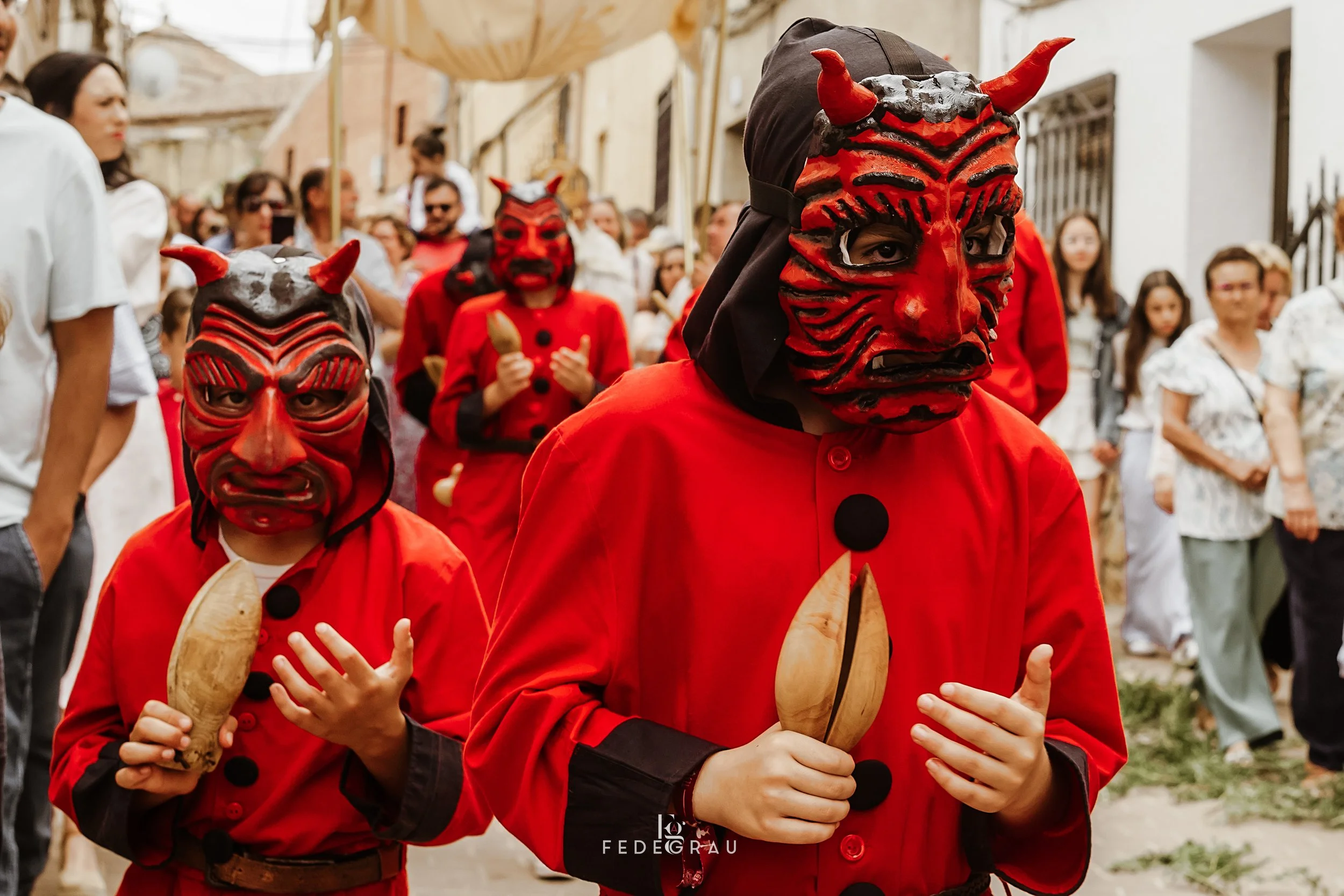
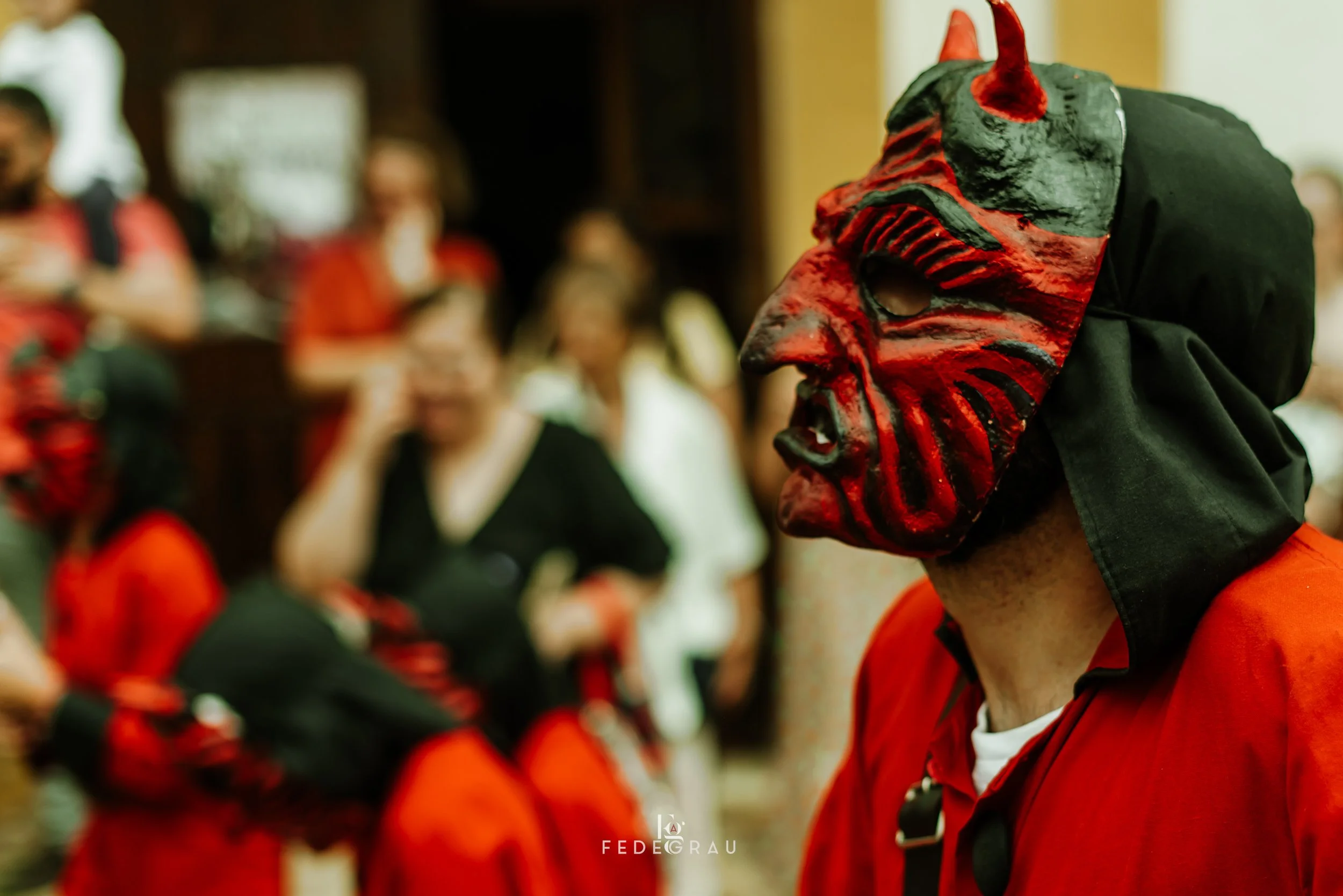
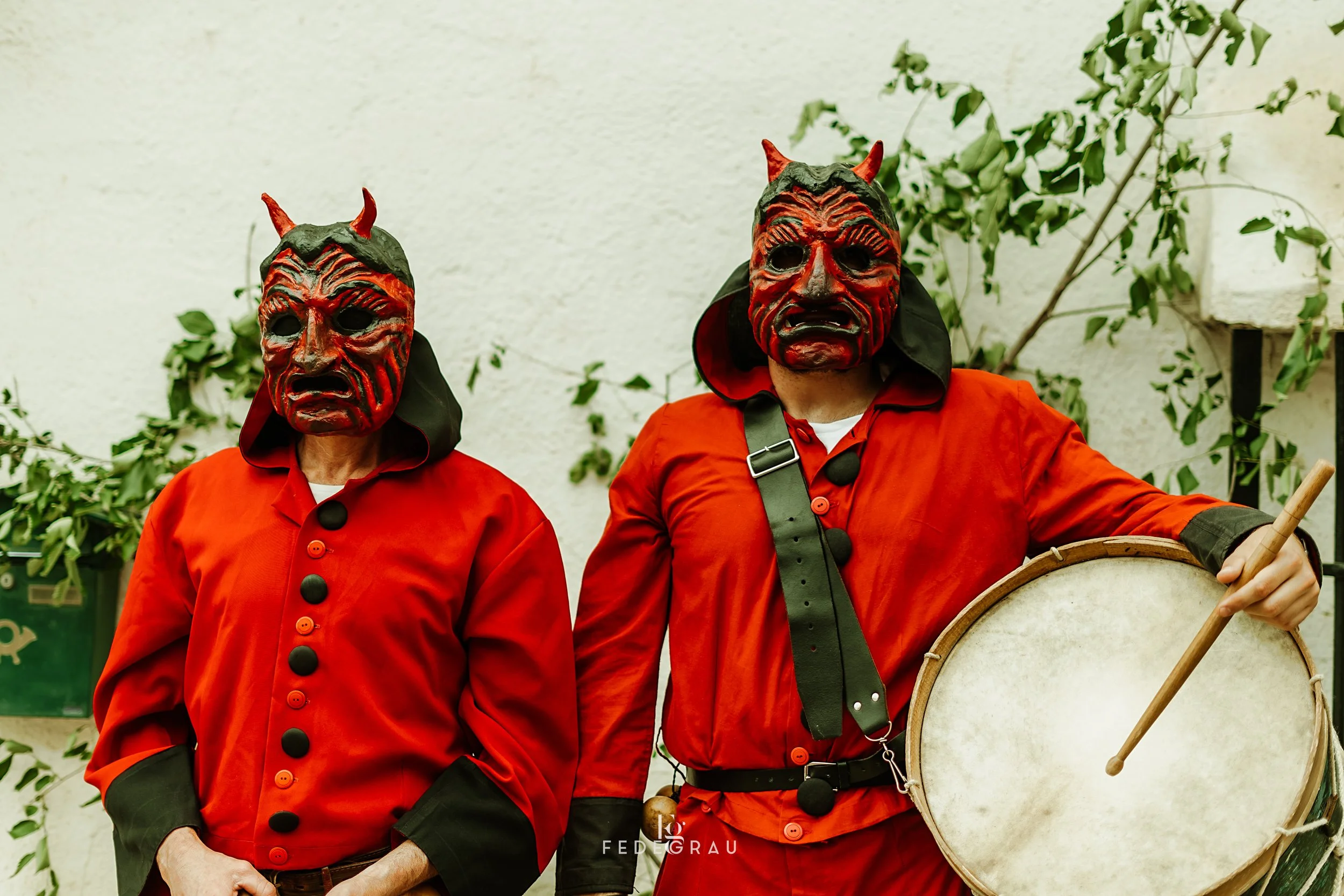
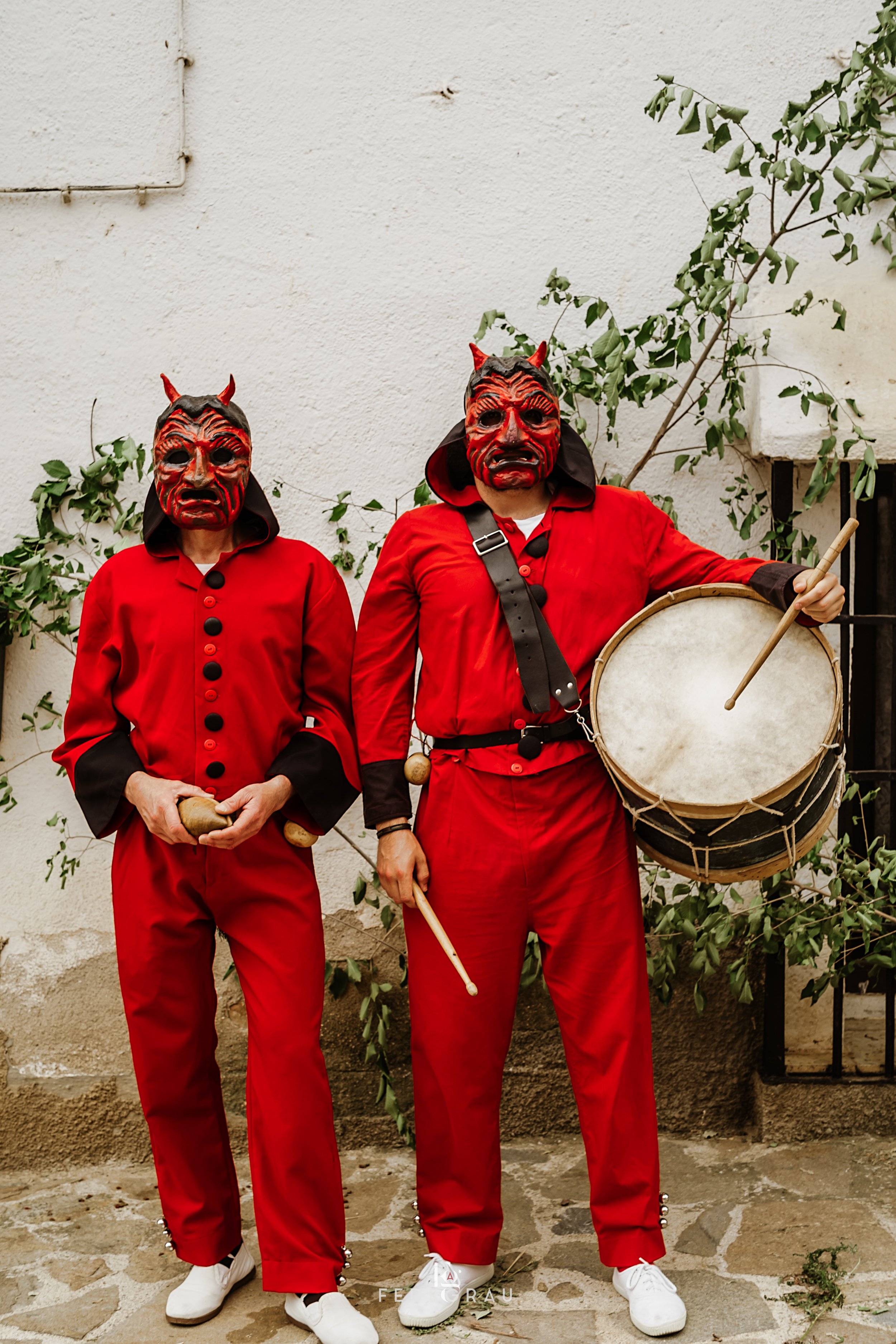
Los Diablucos encarnan simbólicamente al mal. Visten monos rojos de una sola pieza, máscaras demoníacas y largas colas. Su aparición irrumpe en la procesión del Corpus Christi, estableciendo una tensión constante entre lo pagano y lo cristiano. Esa tensión no es teatral. Es heredada, repetida, asumida por generaciones.
Ritmo, cuerpo y gesto
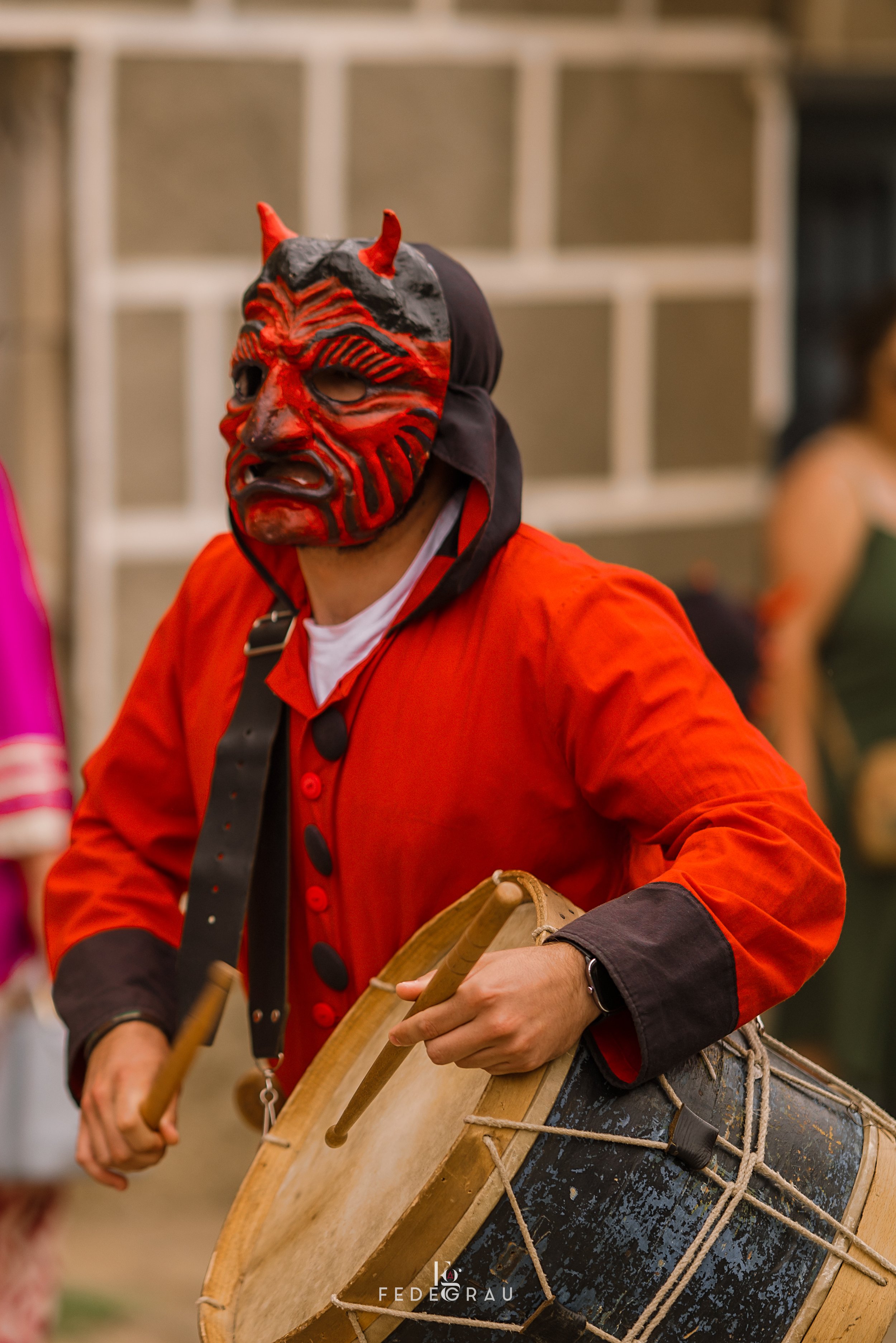
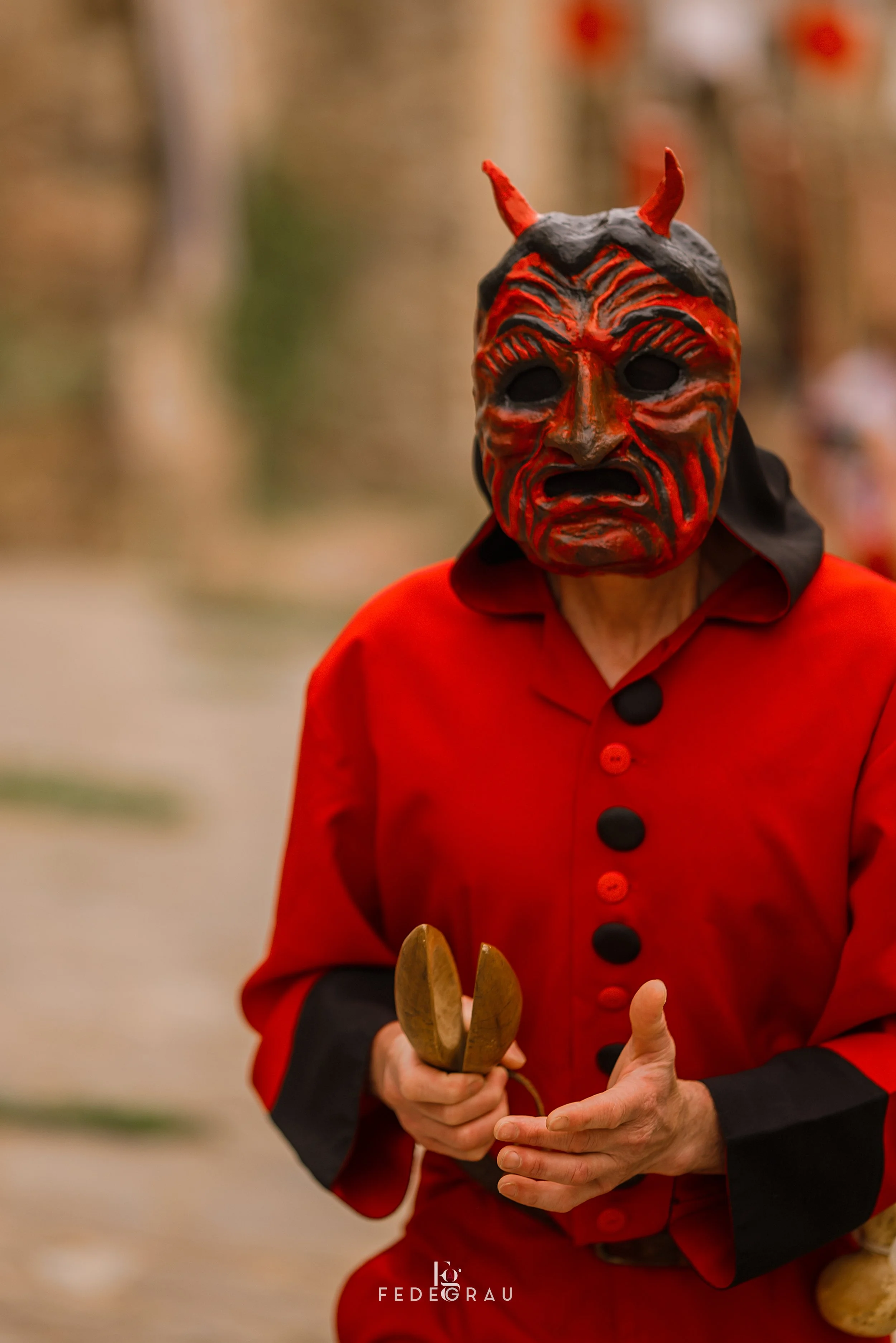
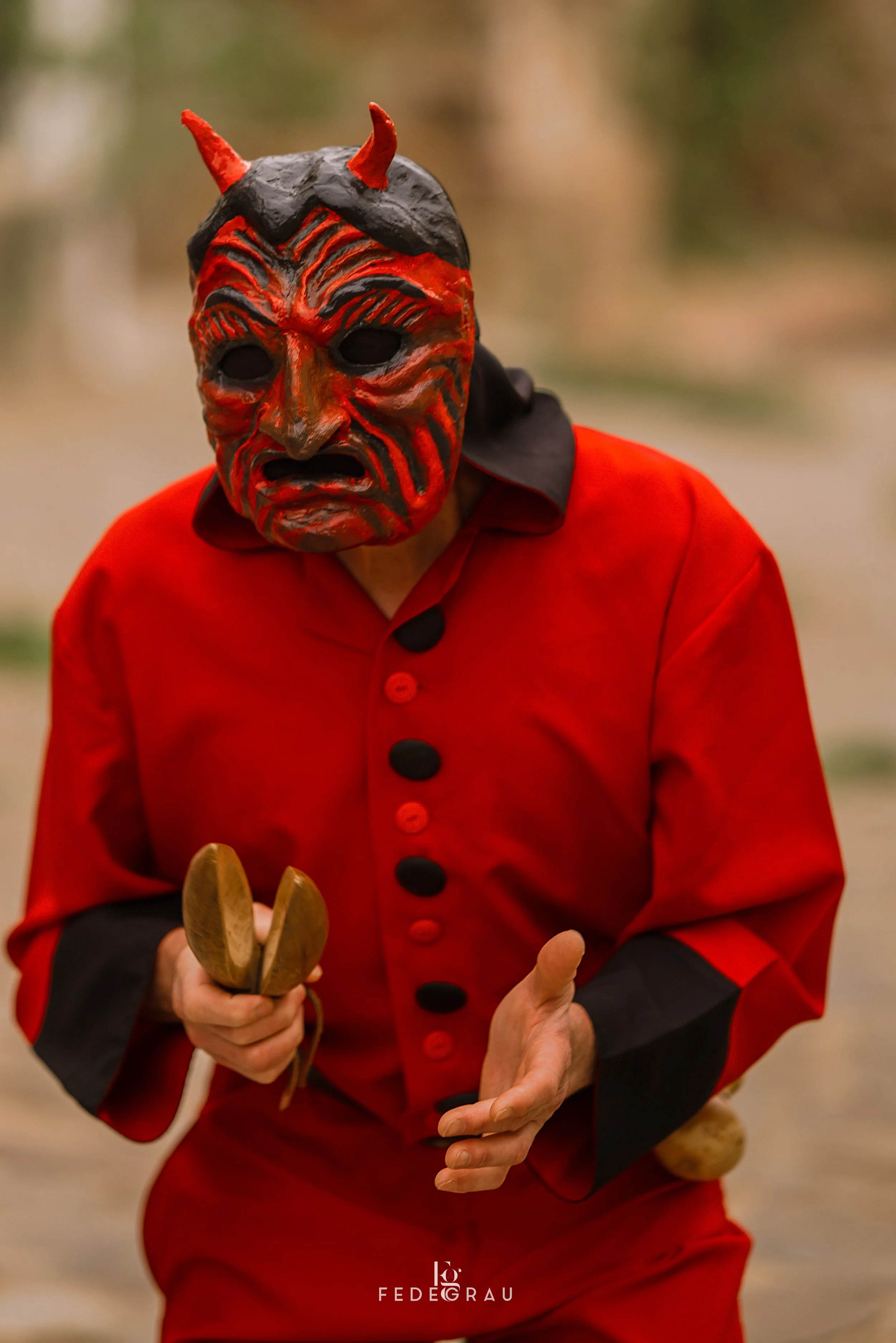
Tambores, castañuelas, cascabeles. El sonido se convierte en movimiento. El movimiento, en presencia. Los Diablucos rodean al sacerdote, danzan, interrumpen el ritmo solemne de la procesión e intentan distraer simbólicamente a los fieles. En términos visuales, aquí importa la repetición: las manos, el tejido, la respiración, el esfuerzo.
Un pueblo implicado
Las calles se alfombran con juncos, tomillo y romero. Las fachadas se visten con mantones, imágenes sagradas y alimentos ofrecidos como promesas antiguas. No es una celebración pensada para el visitante. Es un ritual sostenido por los vecinos, por las familias, por la memoria compartida.
Cuando el bien se impone
Al llegar al Altar Mayor, el sonido se apaga. Con la elevación de la Eucaristía, los Diablucos huyen en desbandada. El silencio se impone.
La alegoría se completa: el triunfo del bien sobre el mal.
Una tradición viva
La Fiesta de los Diablucos no es una recreación folclórica.
Es continuidad. Durante más de cinco siglos, este ritual ha permanecido esencialmente intacto:
un delicado equilibrio entre fe, miedo, celebración e identidad colectiva.
Imágenes, concepto visual y procesado: FedeGrau
Equipo: Leica SL2
hello@fedegrau.com
www.fedegrau.comThe Diablucos of Helechosa de los Montes
A five-century ritual of faith, fire, and resistance
ENGLISHWhere ritual begins: land and memory For more than five centuries, the village of Helechosa de los Montes, in Spain’s Extremadura region, has preserved one of the country’s most distinctive ritual celebrations: The Diablucos.
Before the masks appear, before the drums break the silence, there is land. Water, hills, and stone streets form the living stage of a tradition that is not performed—it is inhabited.
Red enters the frame
The Diablucos embody the symbolic presence of evil. They wear red one-piece suits, demonic masks, and long tails, emerging during the Corpus Christi procession as a disruptive force within the sacred ritual. The tension between pagan roots and Christian liturgy is not staged. It is inherited, repeated, and deeply embedded.
Rhythm as language
Drums, castanets, bells. Sound becomes movement. Movement becomes presence. The Diablucos surround the priest, dance, and disrupt the solemn rhythm of the procession, symbolically attempting to distract the faithful. Visually, repetition is key:
hands, fabric, breath, and physical effort shape the narrative.
A village involved
The streets are covered with reeds, rosemary, and thyme. House façades are dressed with shawls, sacred images, and food offerings—gestures rooted in old promises and collective devotion. This is not a spectacle created for visitors. It is a ritual sustained by the community itself.
When good prevails
At the High Altar, sound fades. As the Eucharist is raised, the Diablucos scatter and flee. Silence takes over.
The allegory is complete: good triumphs over evil.
A living tradition
The Diablucos of Helechosa de los Montes are not folklore reenactment. They are continuity.
For over five centuries, this ritual has remained essentially unchanged a fragile balance between belief, fear, celebration, and collective identity.
Images, visual concept, and post-production: Fede GrauCaptured with: Leica SL2hello@fedegrau.comwww.fedegrau.com