POR ENCIMA DE LA COPA DE LOS ARBOLES
Above the Treetops
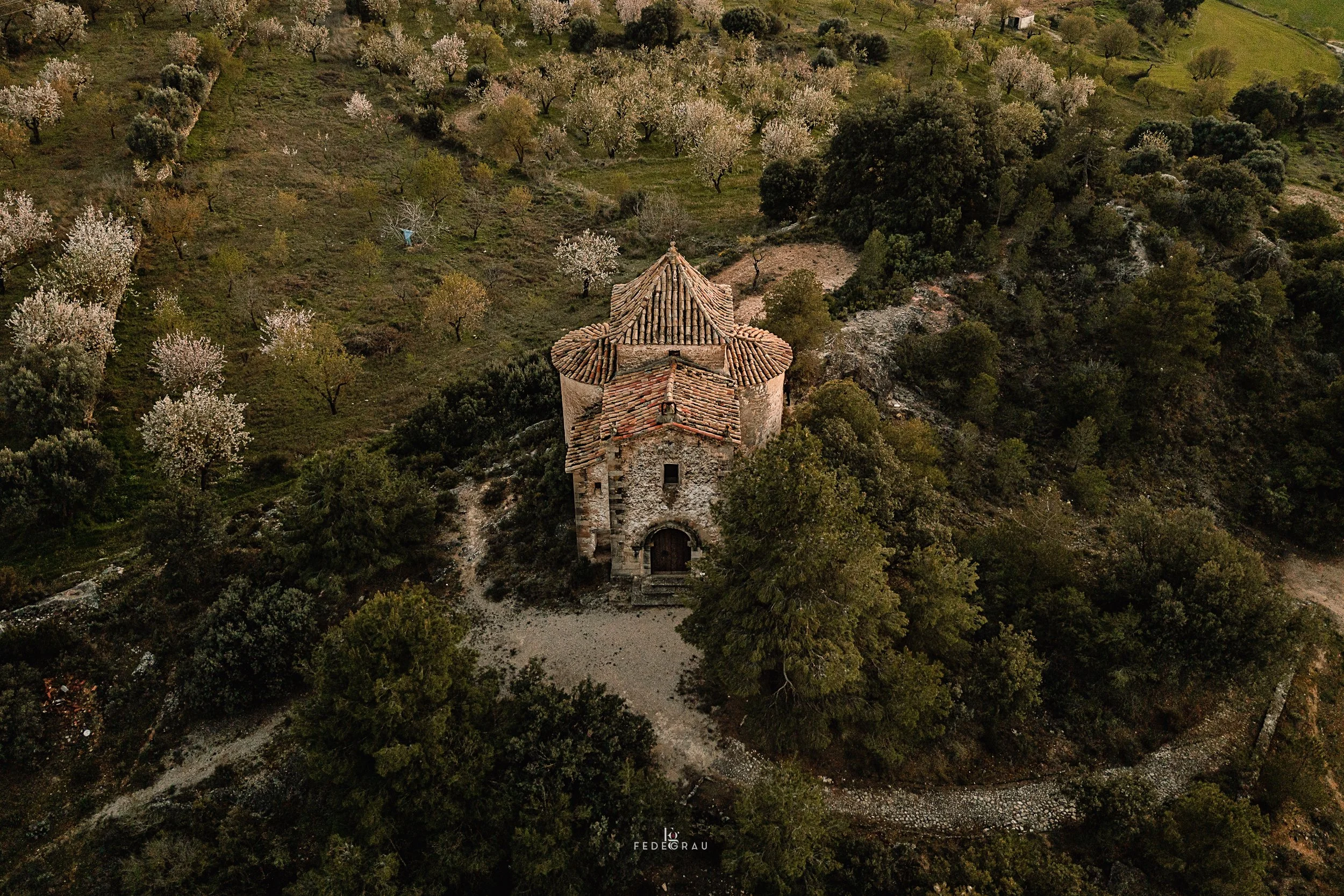
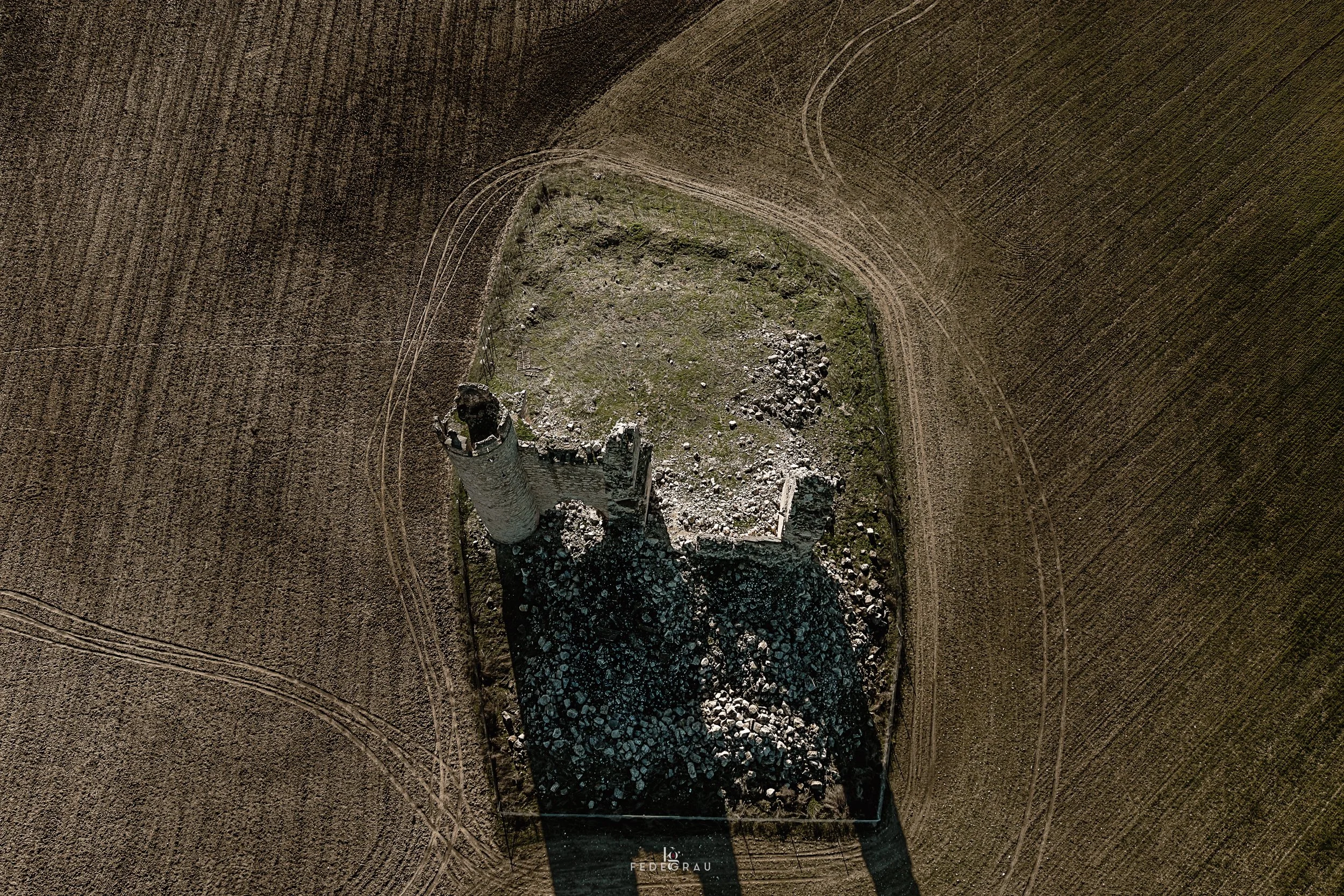
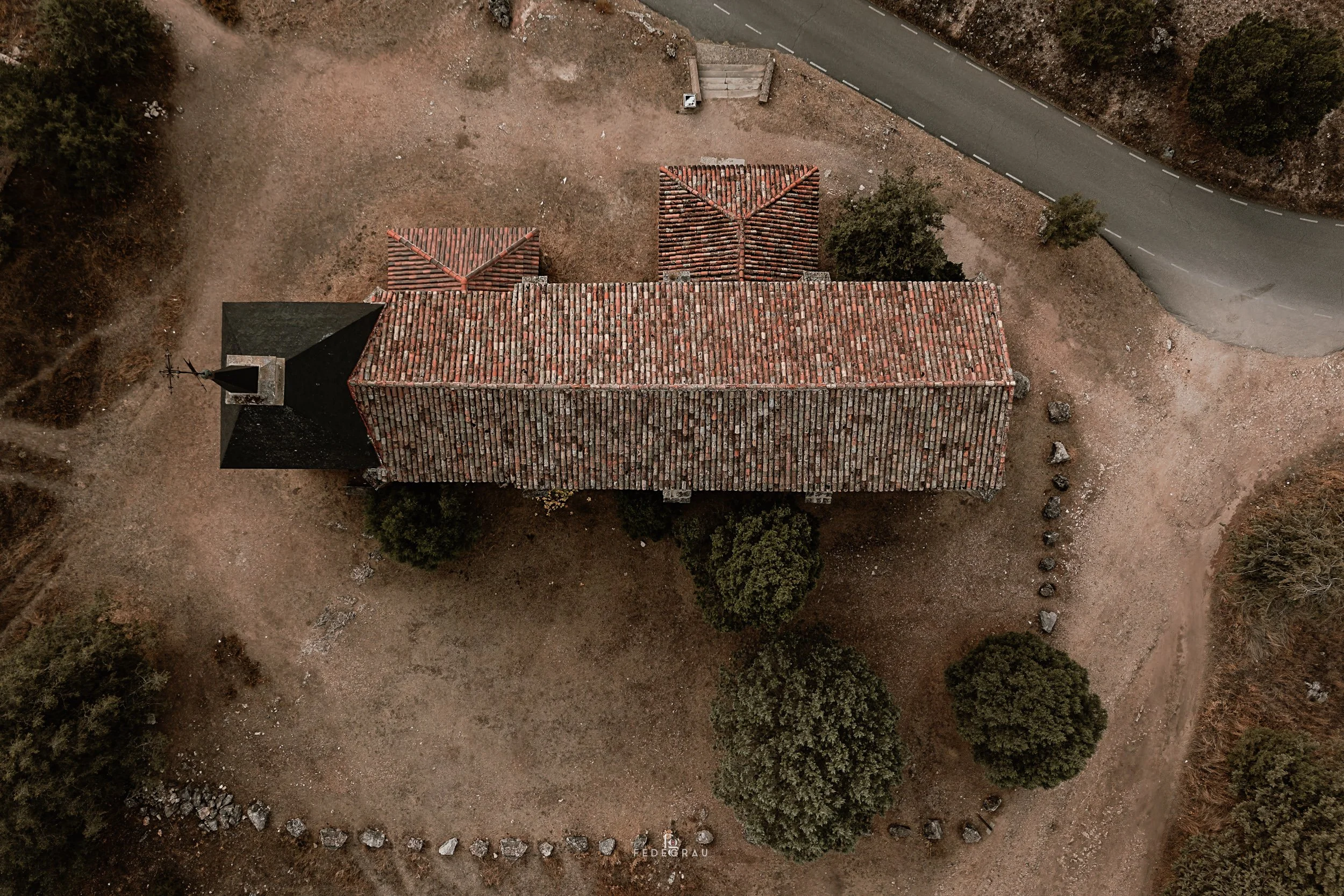
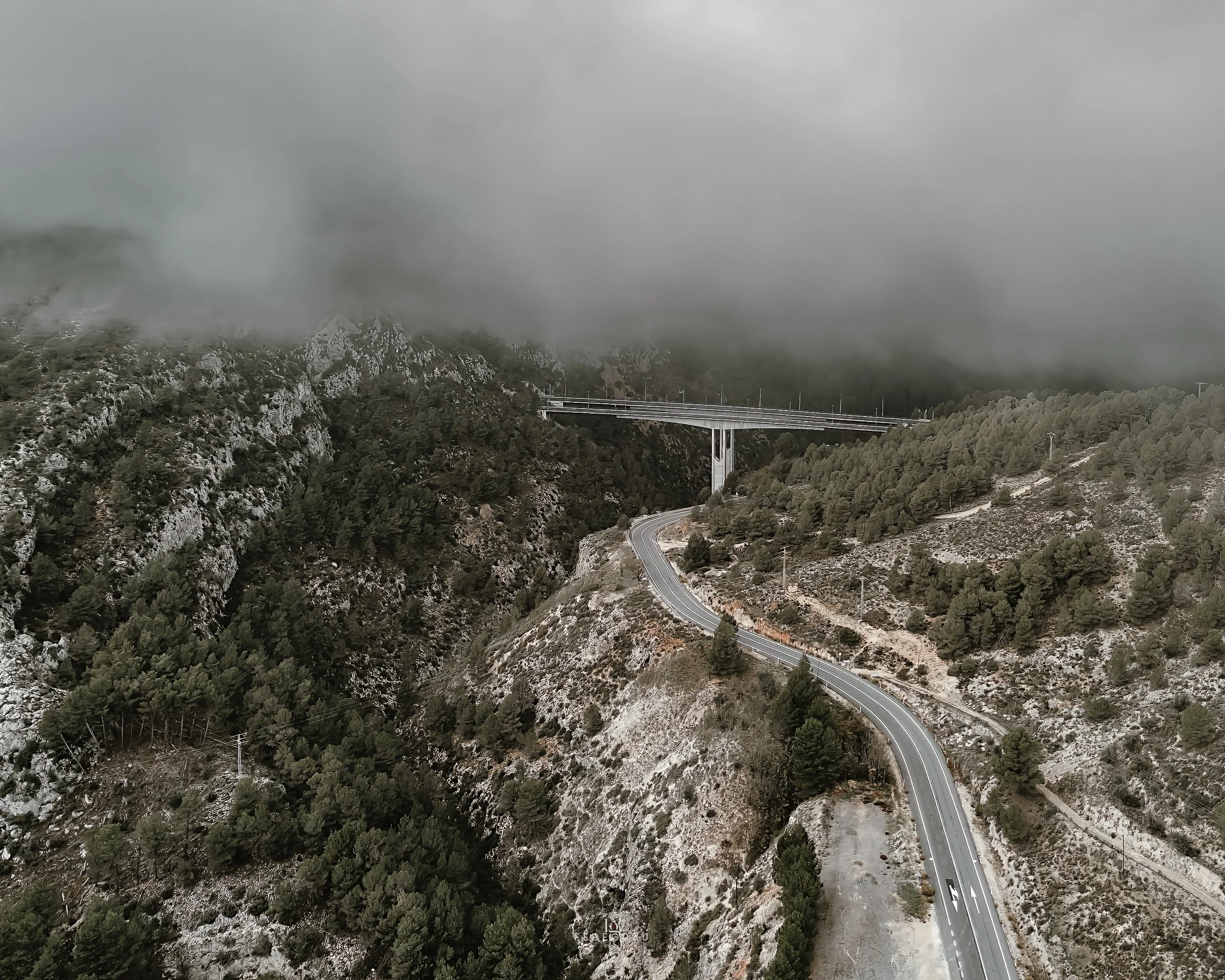
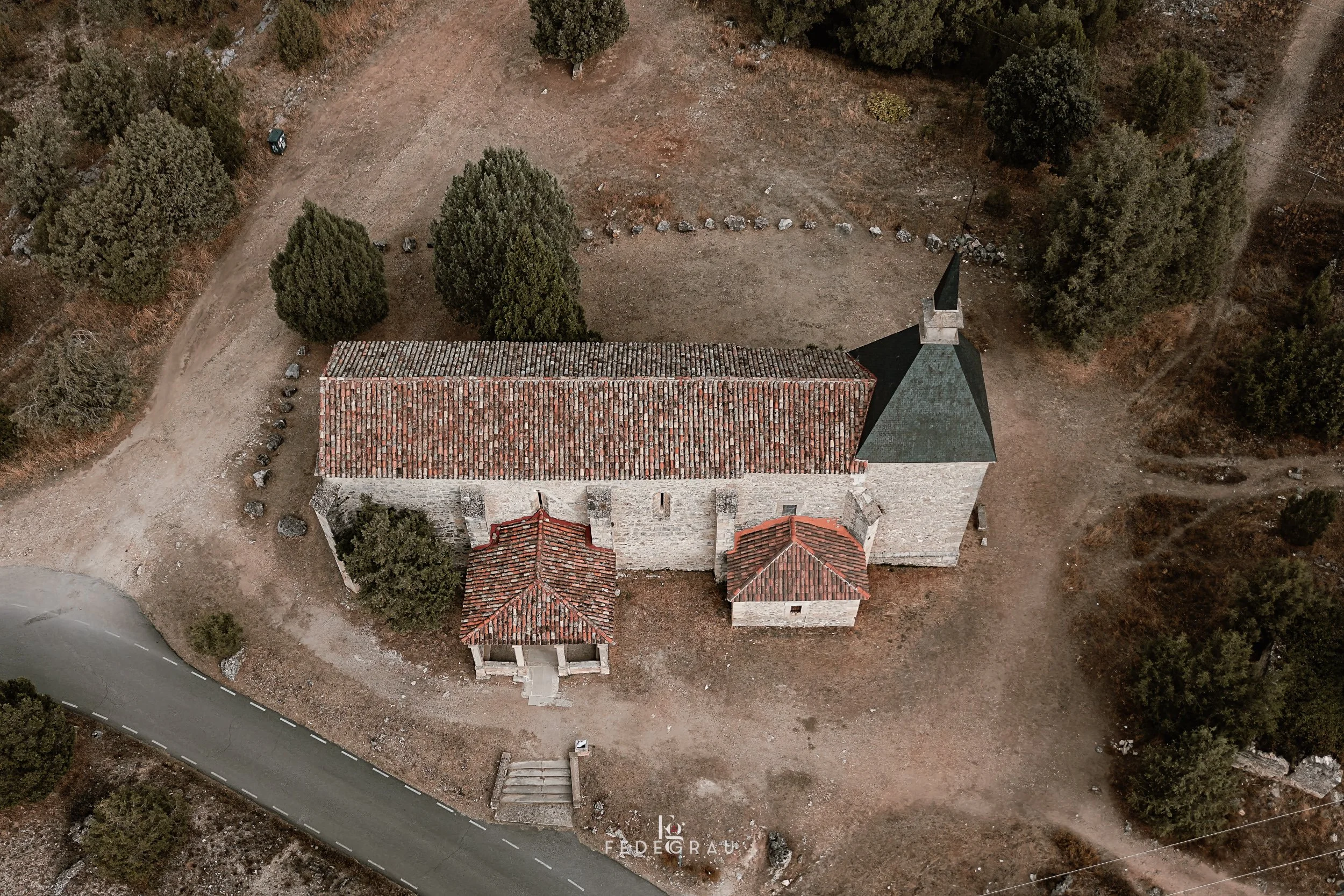
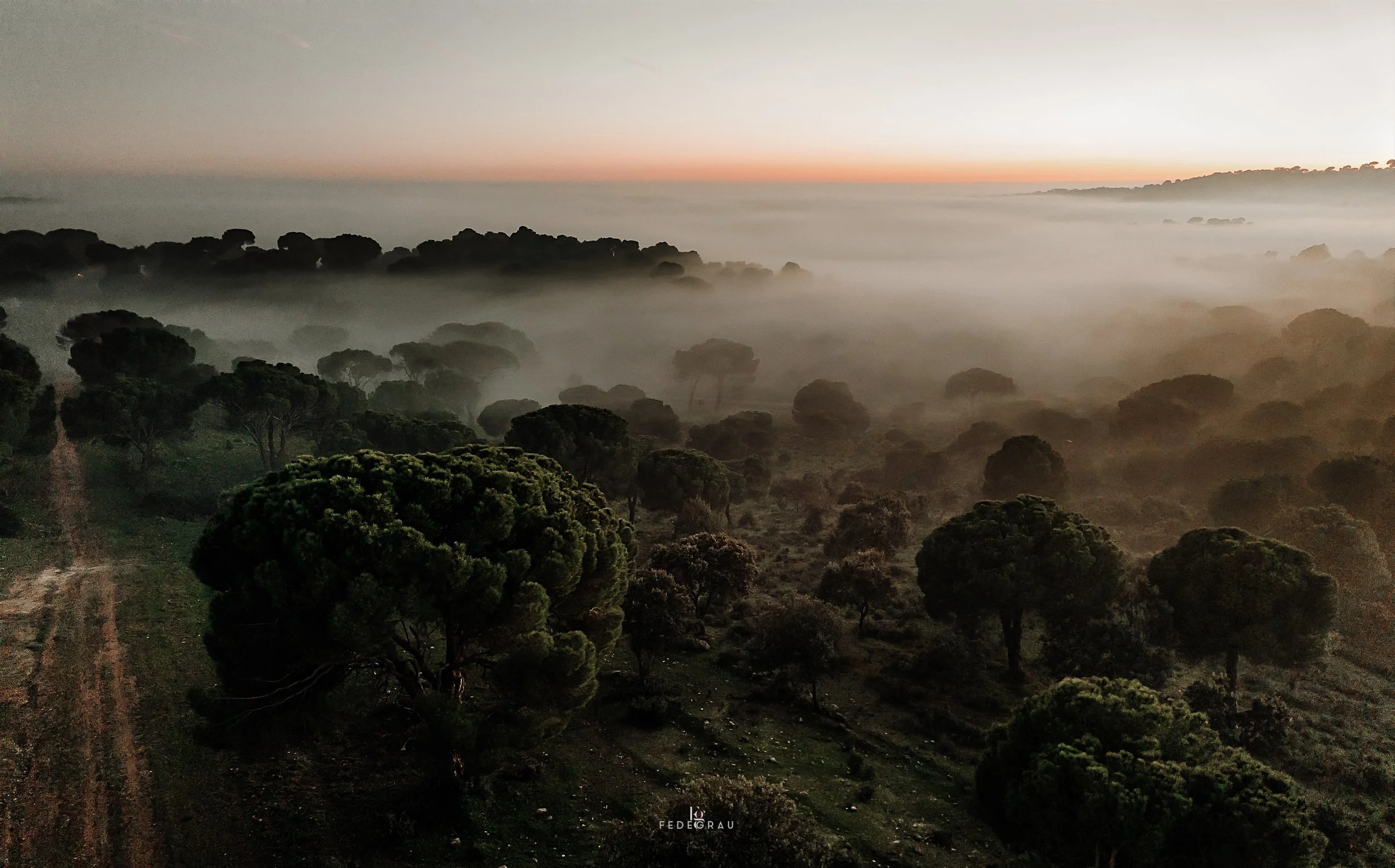
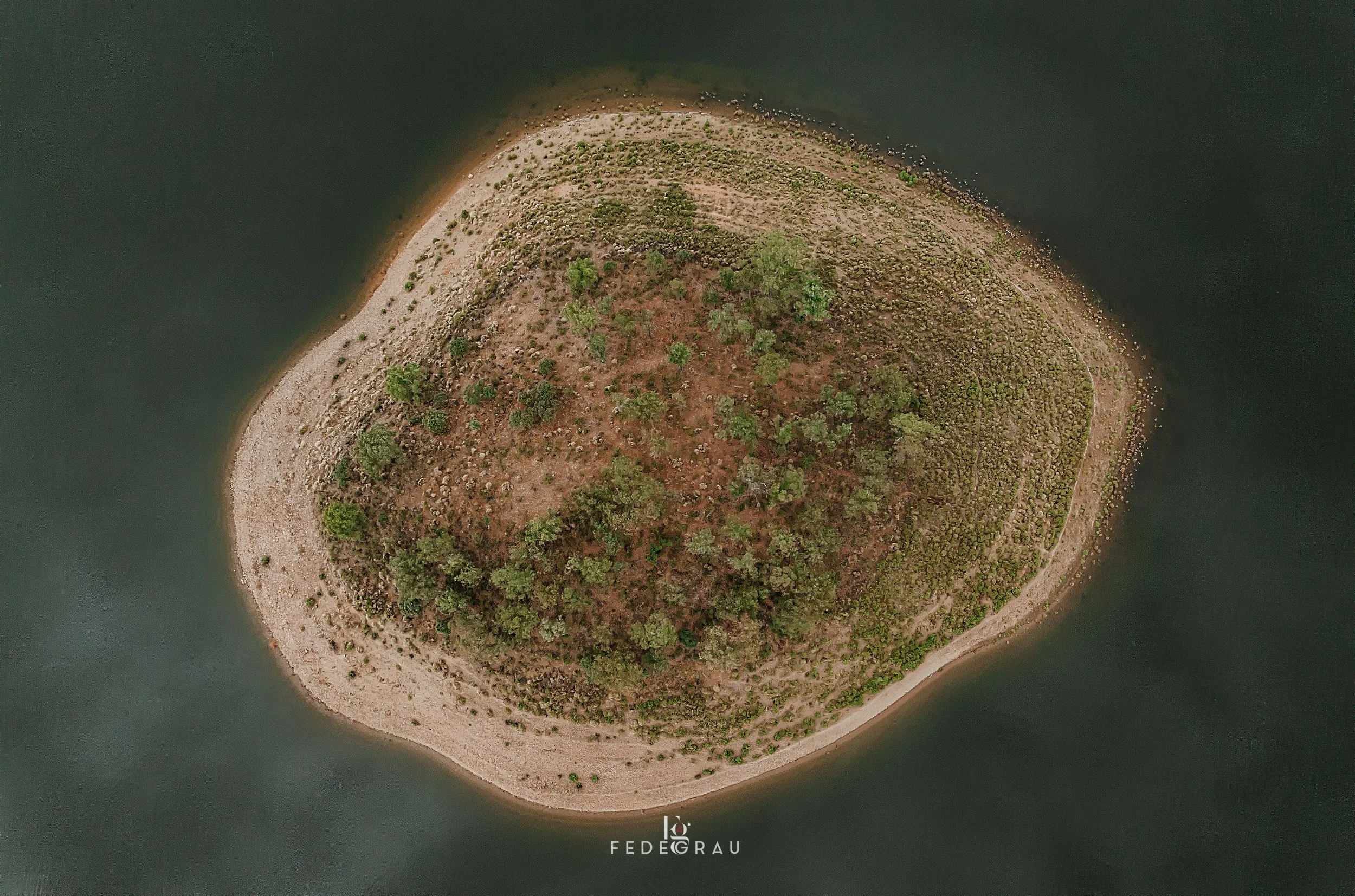
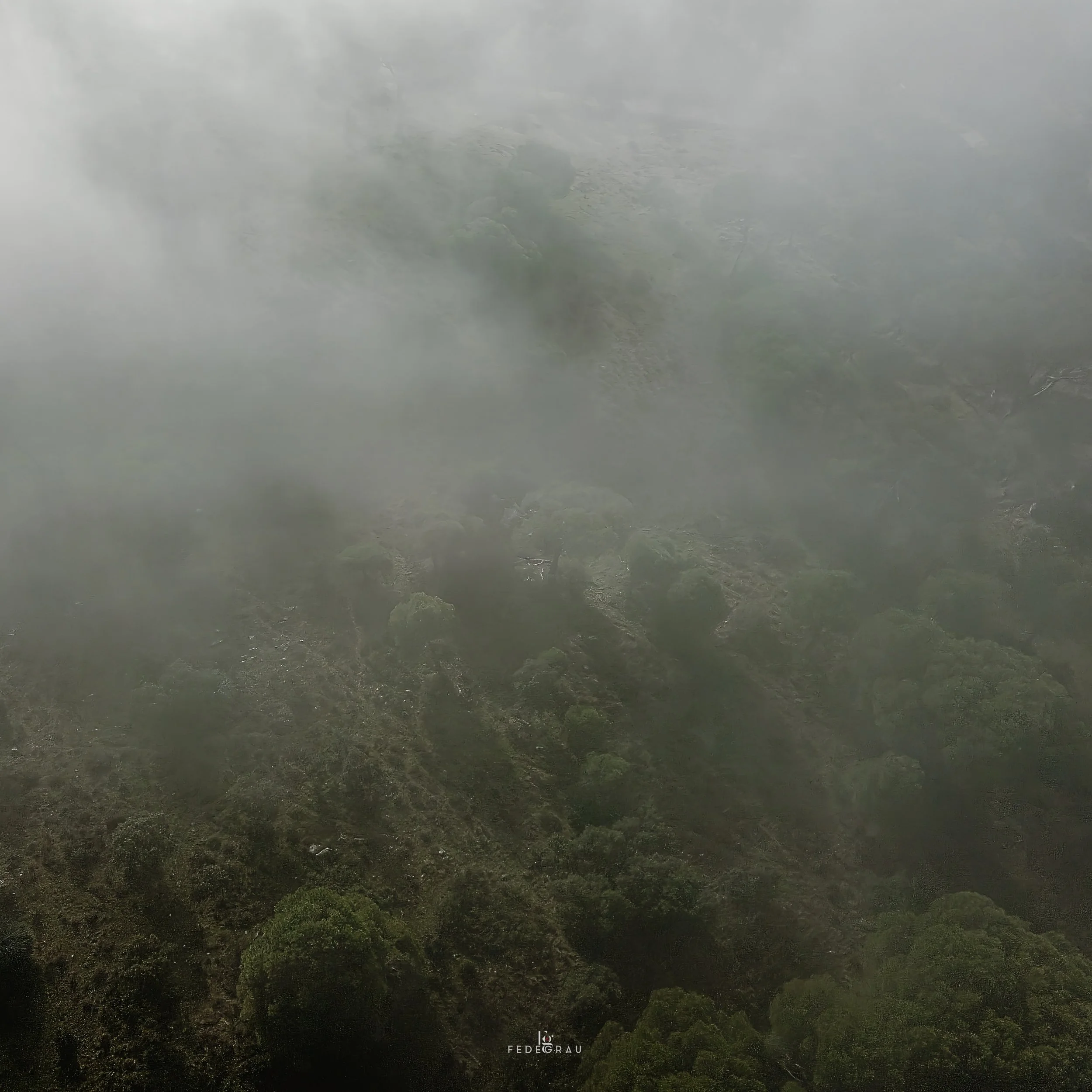
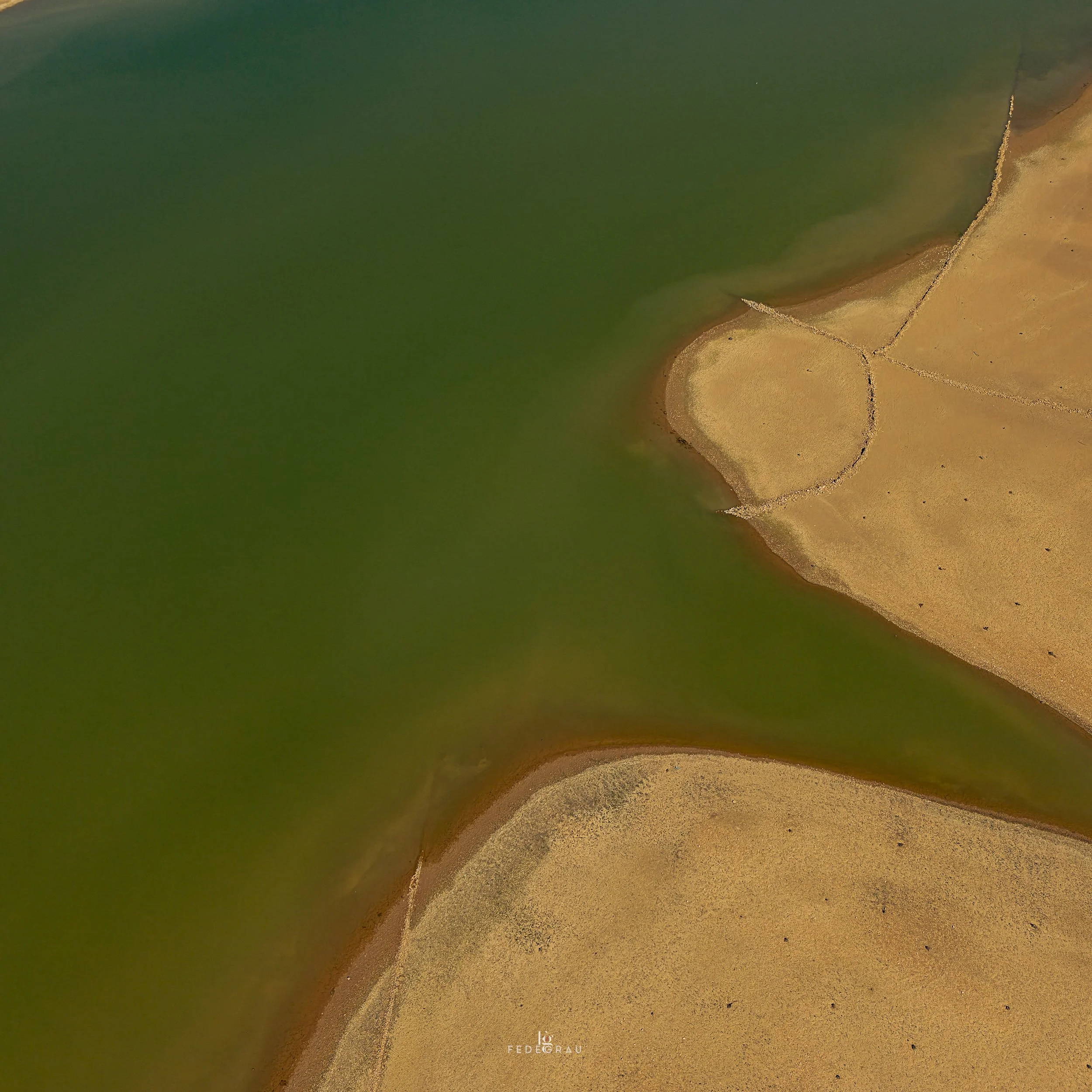
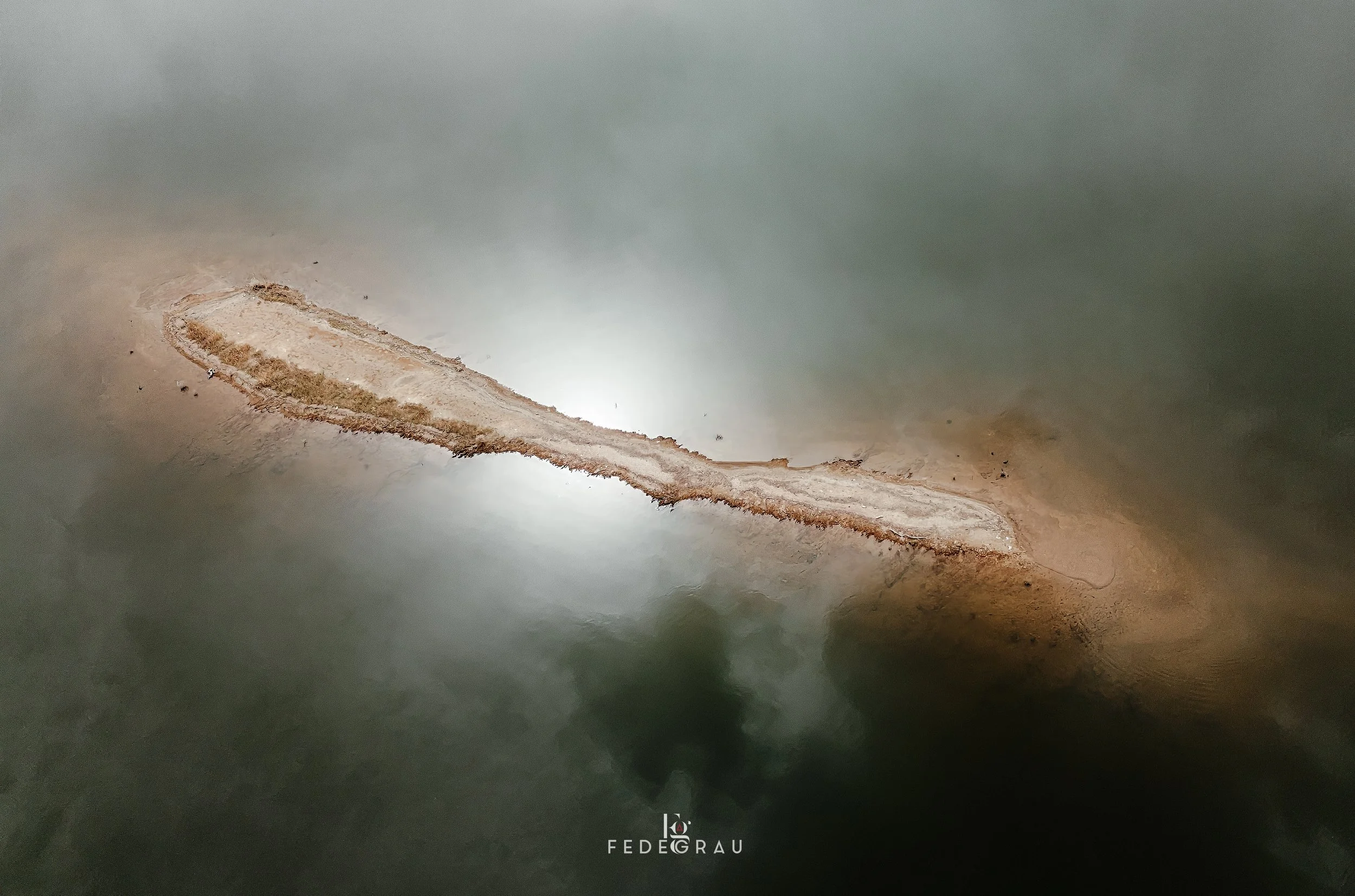
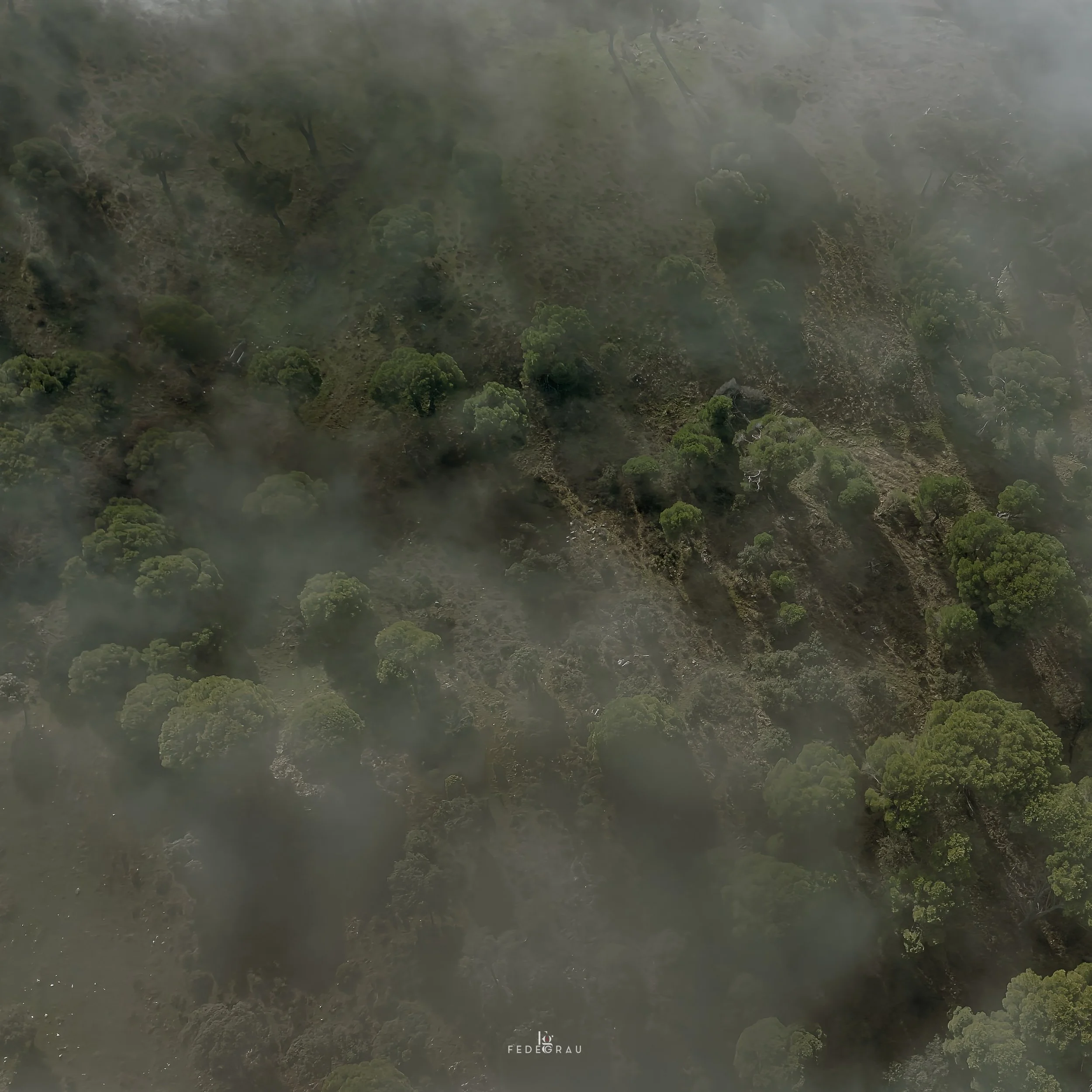
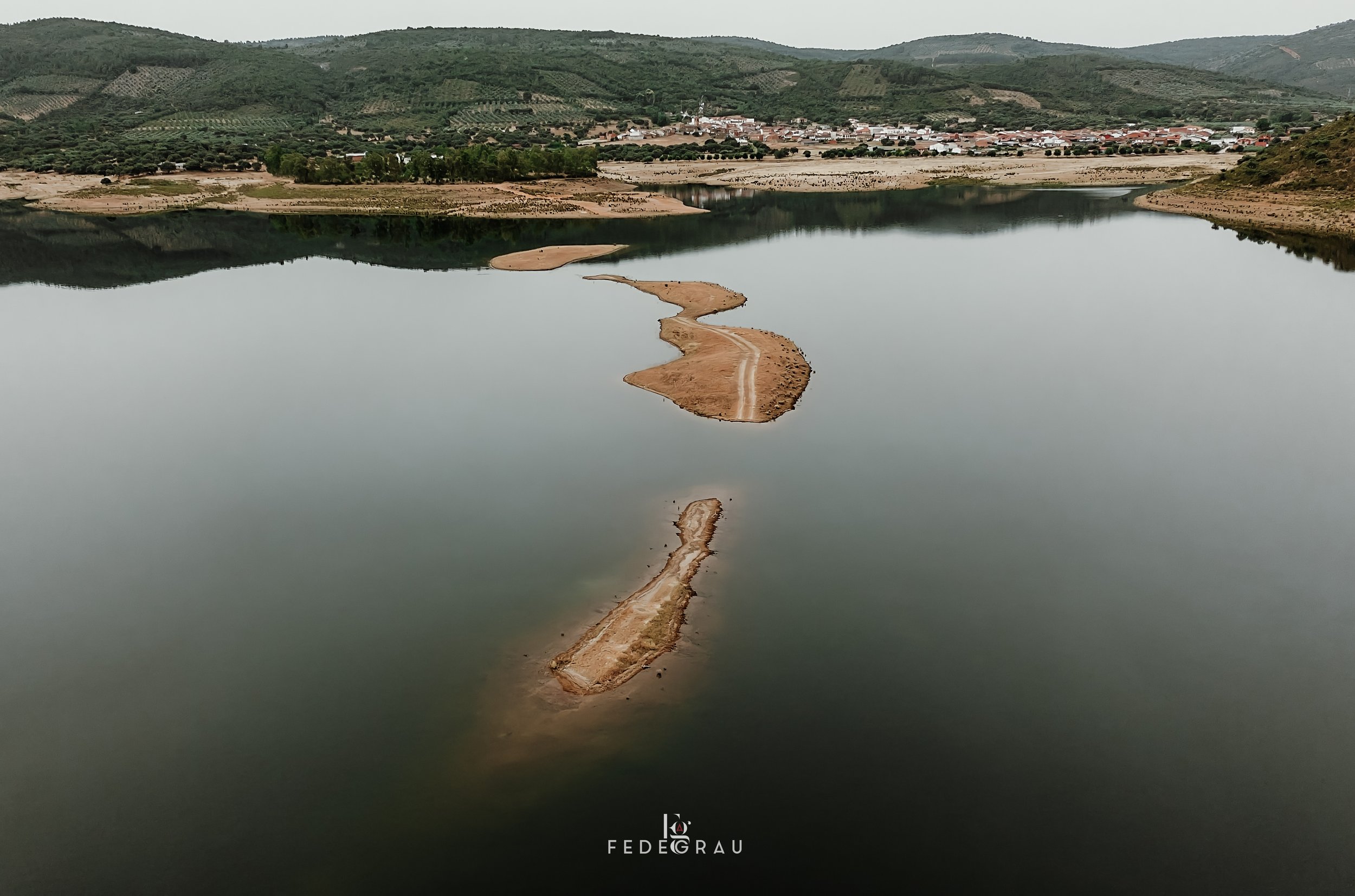
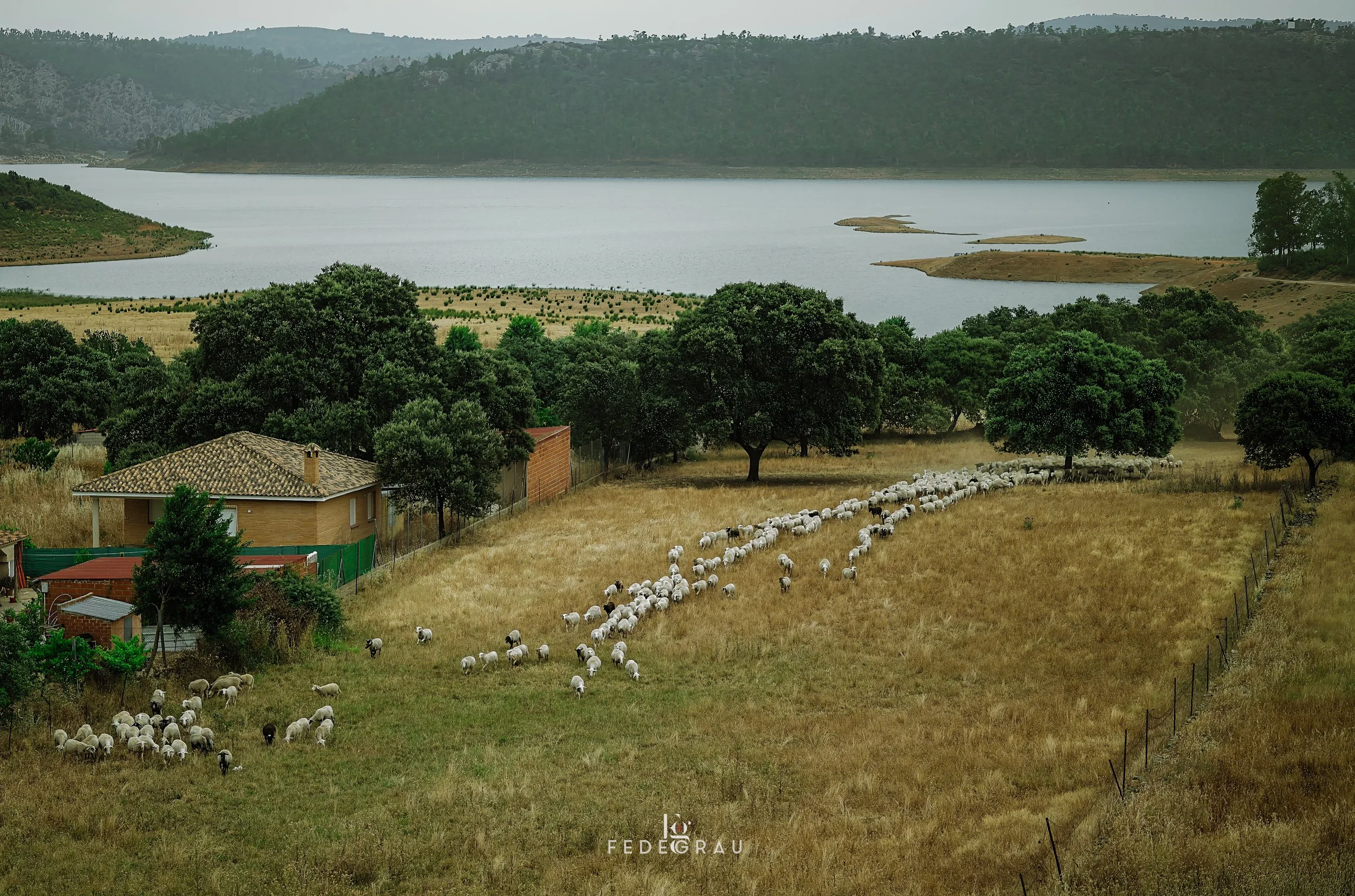
Imágenes y visualizaciones desde la altura · ProyectoESPAÑOLHay una altura en la que el mundo cambia de idioma. Desde ahí, la ciudad deja de imponerse y el paisaje empieza a leerse como un mapa: líneas, ritmos, geometrías, respiración. Por Encima de la Copa de los Árboles nace de esa experiencia: mirar como miran las aves, sin pertenecer del todo, comprendiendo el territorio a primera vista.
En esta serie, la perspectiva elevada no es un recurso estético. Es una forma de pensamiento. Al subir, el espectador abandona el nivel del suelo donde manda el ruido, la prisa y la escala humana y entra en un plano distinto: uno donde todo se ordena. La altura ofrece una sensación de claridad inmediata, como si el mundo se volviera legible por fin.
Pero hay algo más. Ver desde arriba también introduce distancia. Una distancia que no enfría; revela. Desde esa posición, las personas aparecen como trazos breves dentro de un sistema mayor. Y sin darse cuenta, dejan huellas: cómo ocupan un espacio, cómo se mueven, cómo se detienen. La postura, el gesto, incluso la dirección del cuerpo, cuentan su relación con el mundo exterior. La altura convierte lo cotidiano en evidencia.
Una sensación física: calma, control, vértigo suave
Este tipo de imágenes provoca algo concreto en el cuerpo. Muchas personas describen una mezcla de calma y tensión, una especie de “silencio interior” que llega con la visión panorámica. La razón es simple: el cerebro está diseñado para orientarse. Cuando ve patrones desde arriba calles, caminos, límites, vacíos puede organizar la información con menos esfuerzo. Esa comprensión global reduce la carga mental y produce una sensación de control.
Al mismo tiempo, la altura puede generar un vértigo leve, incluso sin estar físicamente en riesgo. Es una reacción natural: el cuerpo reconoce la distancia y activa una alerta mínima. Esa combinación calma cognitiva y alerta corporal genera una emoción muy particular: presencia. El espectador no solo mira: siente.
El espectador como forastero
“Por encima de la copa de los árboles” es, también, un lugar moral. No juzga, pero observa. No participa, pero entiende. La mirada se convierte en la de un forastero que contempla cómo el ser humano habita: cómo construye, cómo ordena, cómo invade, cómo convive. En esa mirada hay belleza sí pero también preguntas. Porque la altura no perdona: muestra la proporción real de las cosas.
Este proyecto se sitúa entre la fotografía y la visualización, entre el documento y la metáfora. Busca imágenes que respiren, que tengan tiempo, que hablen de territorio y de conducta. Imágenes donde la forma del paisaje y la forma de estar en él se cruzan.
Por qué vuelvo a esta perspectiva
Volver a mirar desde arriba es volver a respirar distinto. Es recordar que el mundo no termina en la esquina de nuestra calle, que somos parte de una estructura más grande, y que esa estructura también nos observa. Como en Juan Salvador Gaviota, la altura no es una conquista contra los demás: es un entrenamiento interior. No se trata de volar más alto que nadie, sino más alto que ayer.
Por Encima de la Copa de los Árboles es eso: una serie para comprender, para sentir, para mirar más despacio. Un intento de escuchar el territorio desde el silencio de la altura.
Above the Treetops
Images and Visualizations from Above · ProjectENGLISHThere’s an altitude where the world changes its language. From up there, the city stops demanding attention and the landscape begins to read like a map: lines, rhythms, geometry, breath. Above the Treetops is born from that experience—seeing the way birds see, not fully belonging, yet understanding the territory at first glance.
In this series, the elevated perspective isn’t an aesthetic trick. It’s a way of thinking. As you rise, the viewer leaves ground level—where noise, haste, and human scale dominate—and enters a different plane, one where everything starts to align. Height offers a sense of immediate clarity, as if the world finally becomes legible.
But there’s more. Looking from above also creates distance. A distance that doesn’t numb—it reveals. From that position, people appear as brief marks inside a larger system. And without realizing it, they leave traces: how they occupy space, how they move, how they pause. Posture, gesture, even direction—each one quietly describes a relationship with the world outside. From above, the everyday turns into evidence.
A physical sensation: calm, control, a gentle vertigo
These images do something specific to the body. Many describe a mix of calm and tension—a kind of “inner quiet” that arrives with the panoramic view. The reason is simple: the brain is built to orient itself. When it sees patterns from above—streets, paths, edges, empty spaces—it can organize information with less effort. That overview reduces mental load and produces a sense of control.
At the same time, height can trigger a mild vertigo, even without physical danger. It’s a natural response: the body recognizes distance and activates a small alert. That combination—cognitive calm and physical awareness—creates a very particular emotion: presence. The viewer doesn’t just look. They feel.
The viewer as an outsider
“Above the treetops” is also a moral position. It doesn’t judge, but it observes. It doesn’t participate, but it understands. The gaze becomes that of an outsider watching how humans inhabit the world: how we build, how we arrange, how we invade, how we coexist. There is beauty—yes—but also questions. Because height doesn’t flatter: it shows the true scale of things.
This project lives between photography and visualization, between document and metaphor. It seeks images that breathe—images with time, images that speak of territory and behavior. Images where the shape of the landscape and the way we stand within it intersect.
Why I keep returning to this perspective
To look from above again is to breathe differently again. It’s a reminder that the world doesn’t end at the corner of our street—that we’re part of something larger, and that something larger is also watching us. As in Jonathan Livingston Seagull, height isn’t a conquest over others; it’s inner training. It’s not about flying higher than anyone else, but higher than yesterday.
Above the Treetops is that: a series to understand, to feel, to look more slowly. An attempt to listen to the land from the quiet of altitude.