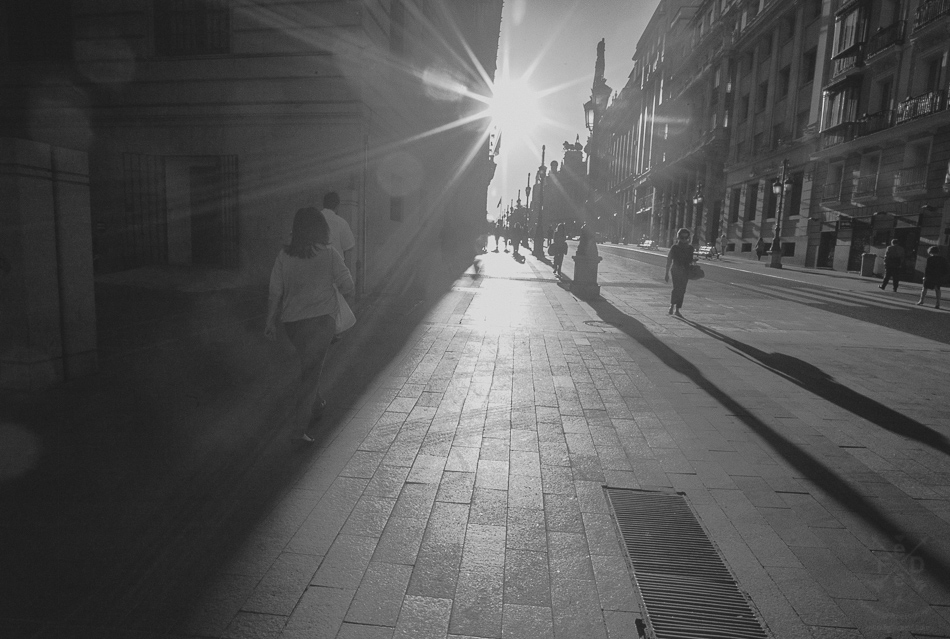
Las Luminarias de San Bartolomé de Pinares son una de las celebraciones más singulares de la provincia de Ávila y de Castilla y León. Cada año atraen a miles de visitantes que acuden a presenciar una tradición ecuestre donde el fuego es protagonista. Este reportaje documenta visualmente una de las noches más importantes del calendario festivo local, reforzando la identidad cultural del municipio
Read MoreLos Diablucos de Helechosa de los Montes
La ancestral Fiesta de los Diablucos de Helechosa de los Montes, documentada desde una mirada periodística y artística. Más de 500 años de tradición, fe y resistencia cultural en Extremadura,
Read MoreEntre Fuego, Humo y Tradición Purificadora Las Luminarias de San Bartolomé de Pinares, Ávila
Qué son Las Luminarias de San Antón en San Bartolomé de Pinares (Ávila), cuándo se celebran y cómo se viven. Reportaje fotográfico documental.
Read MoreANATOMY OF EFFORT
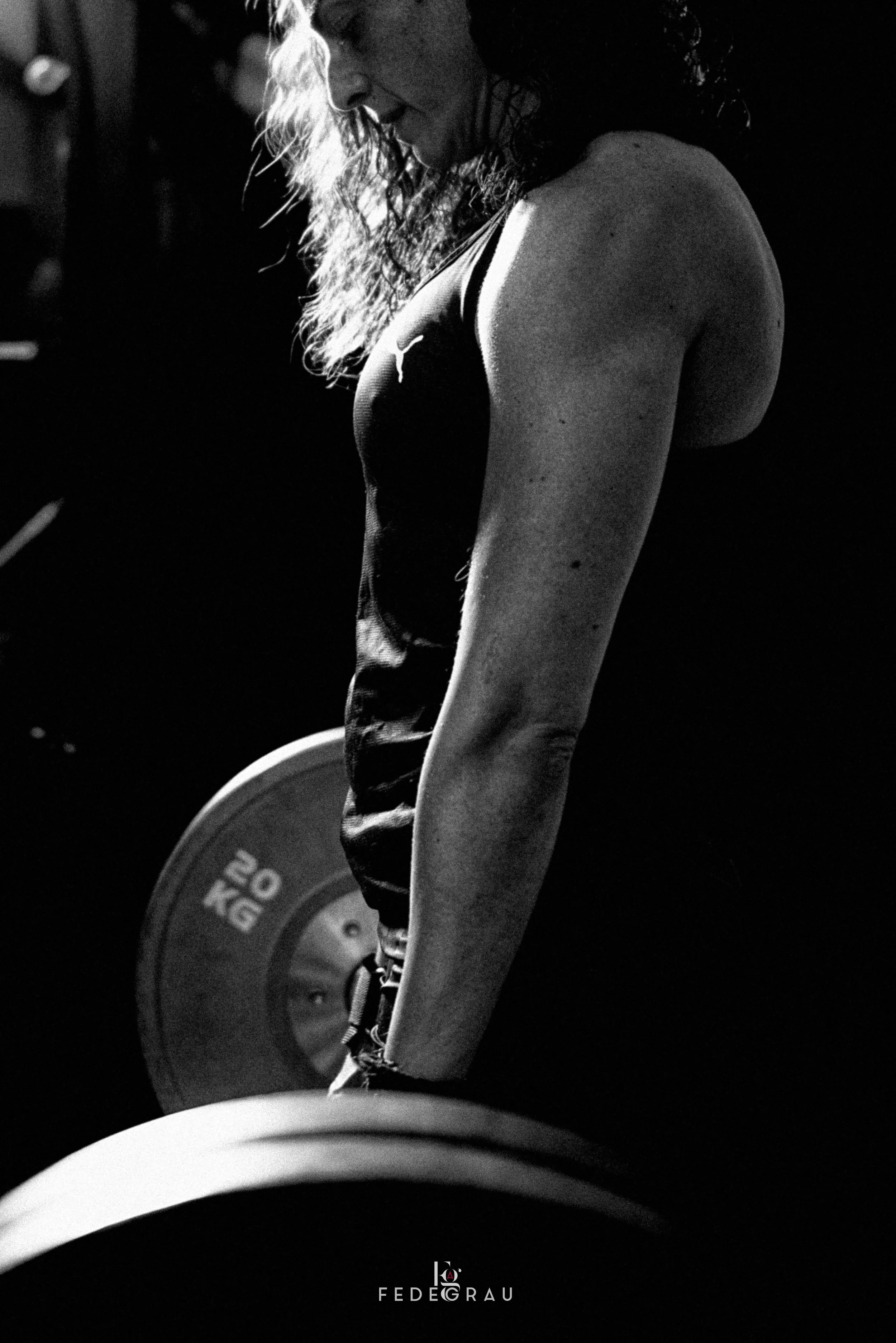
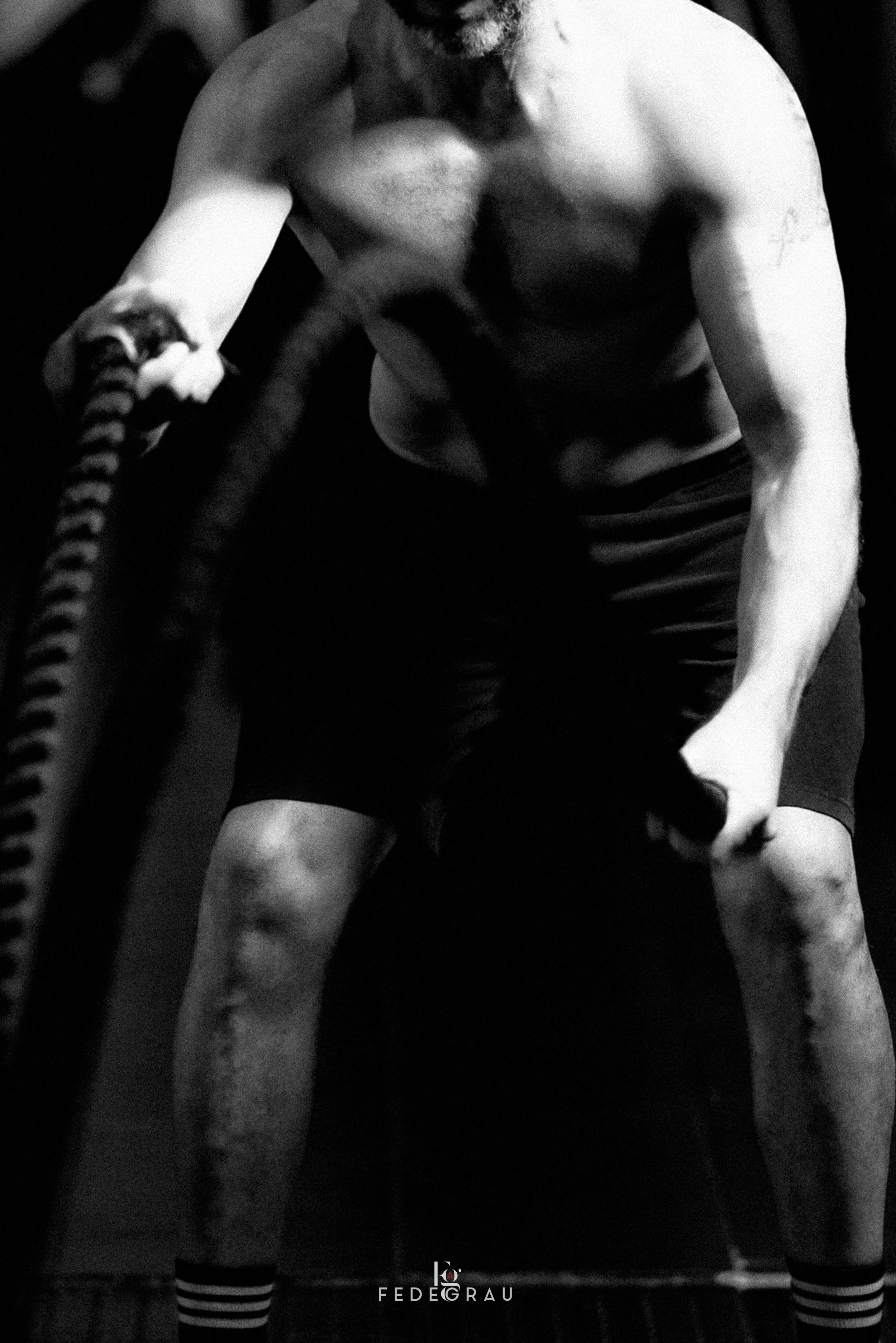
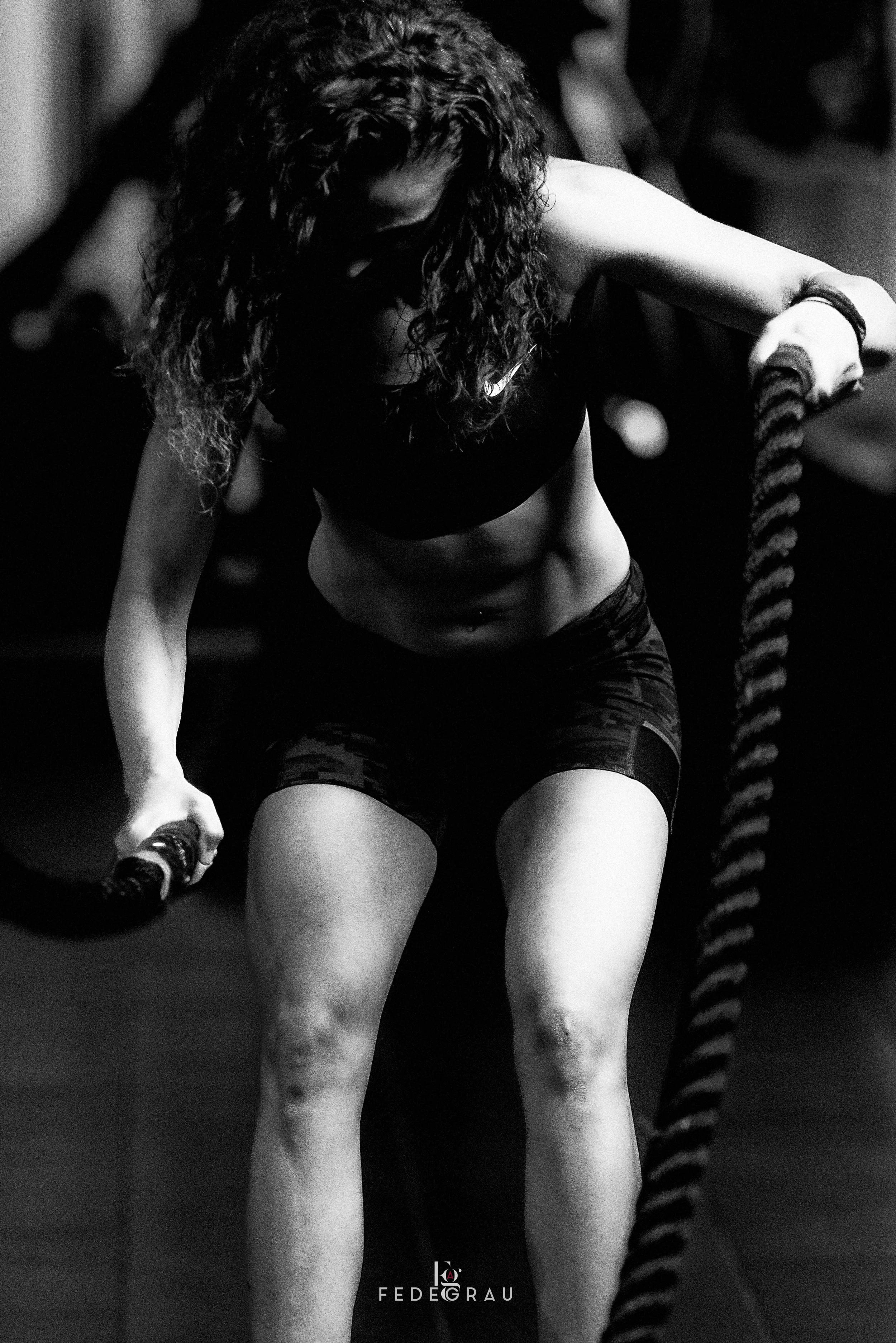
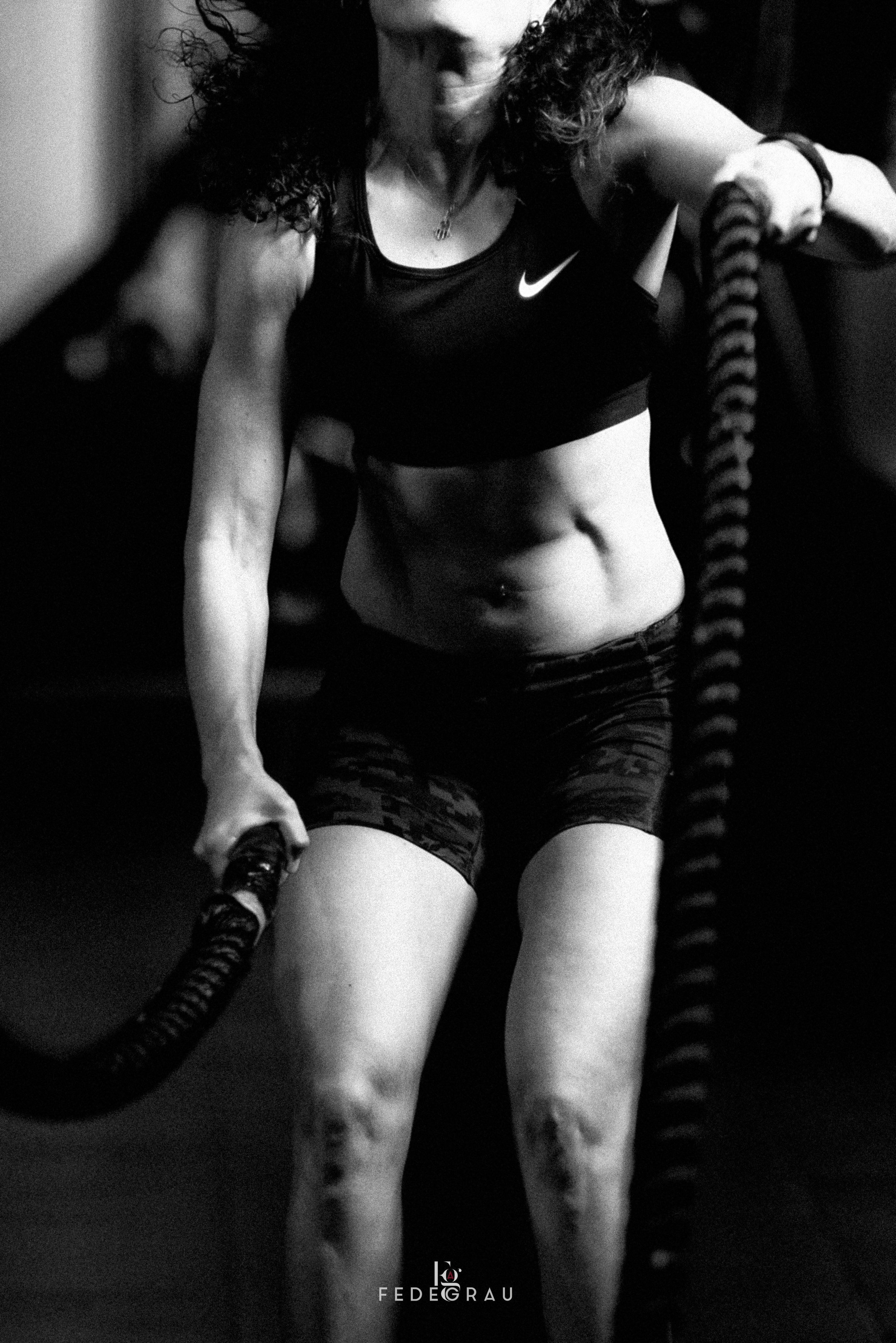
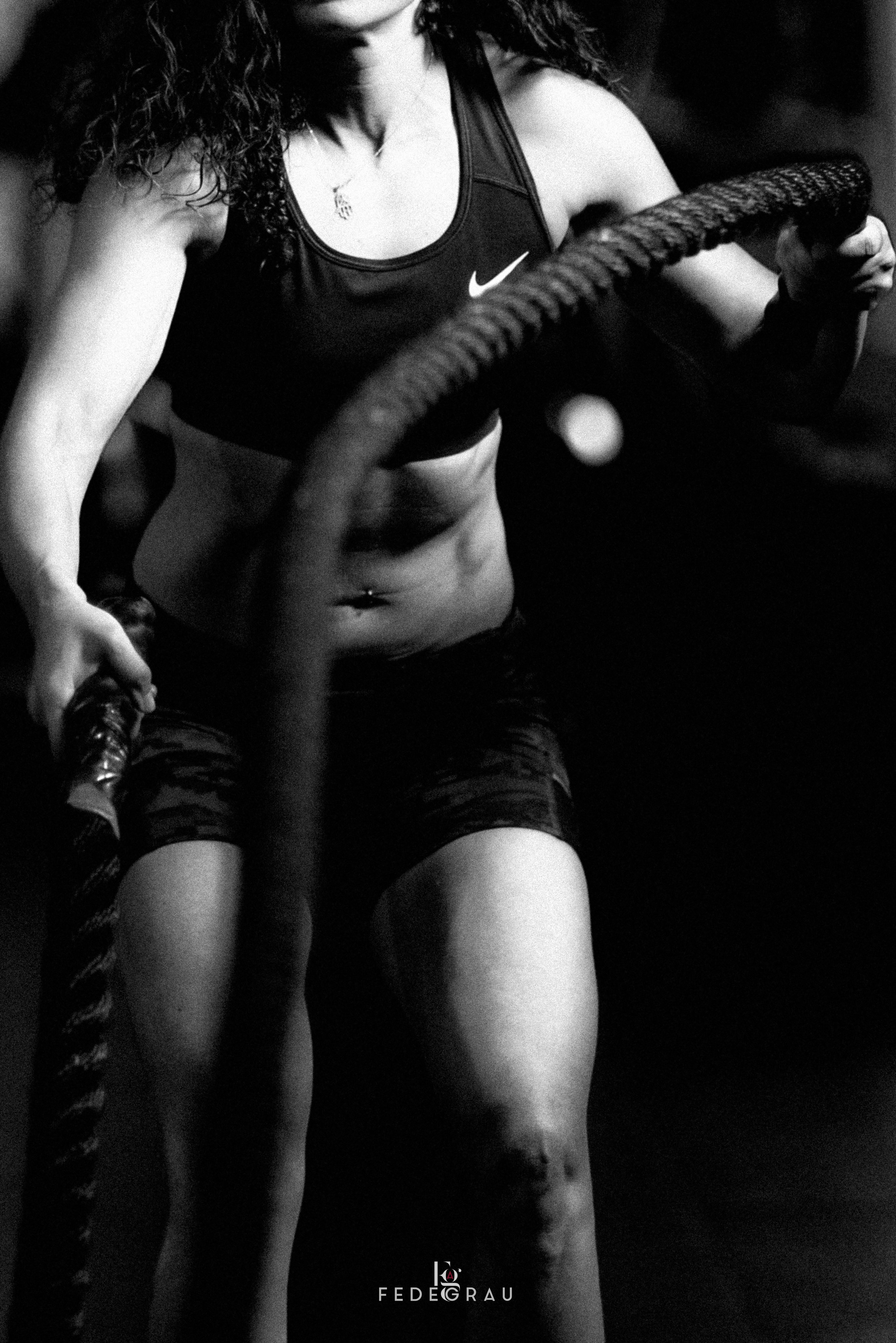
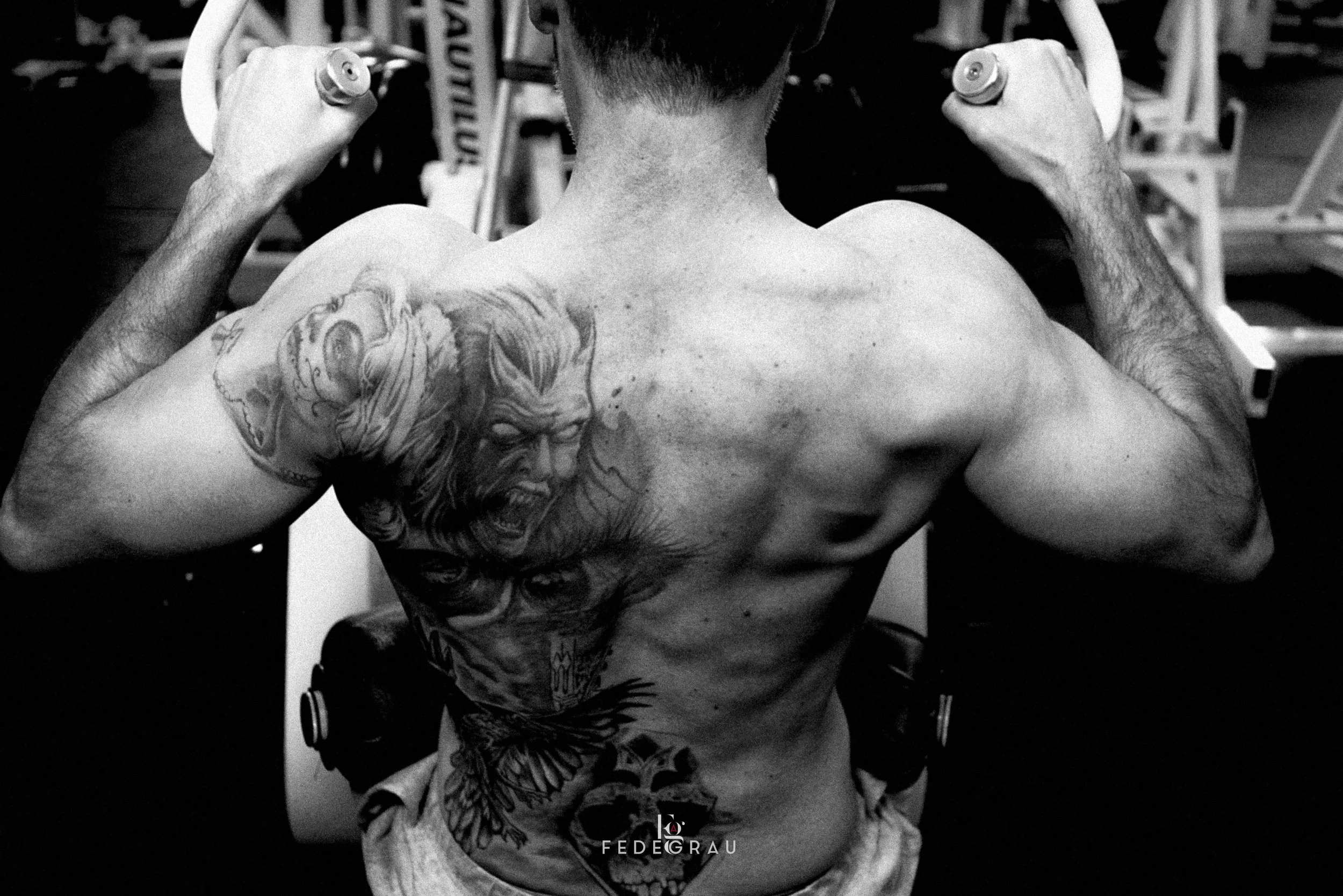
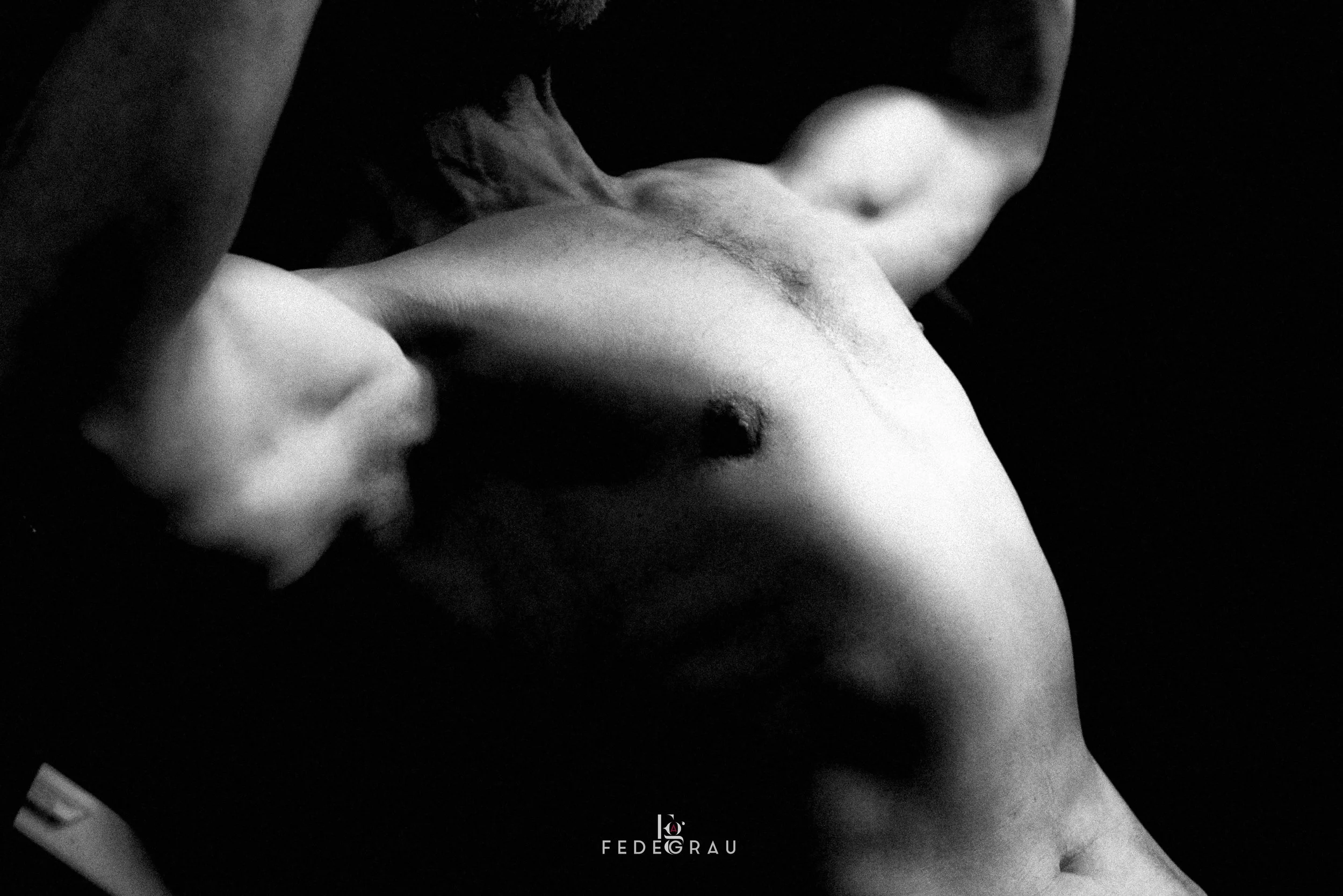
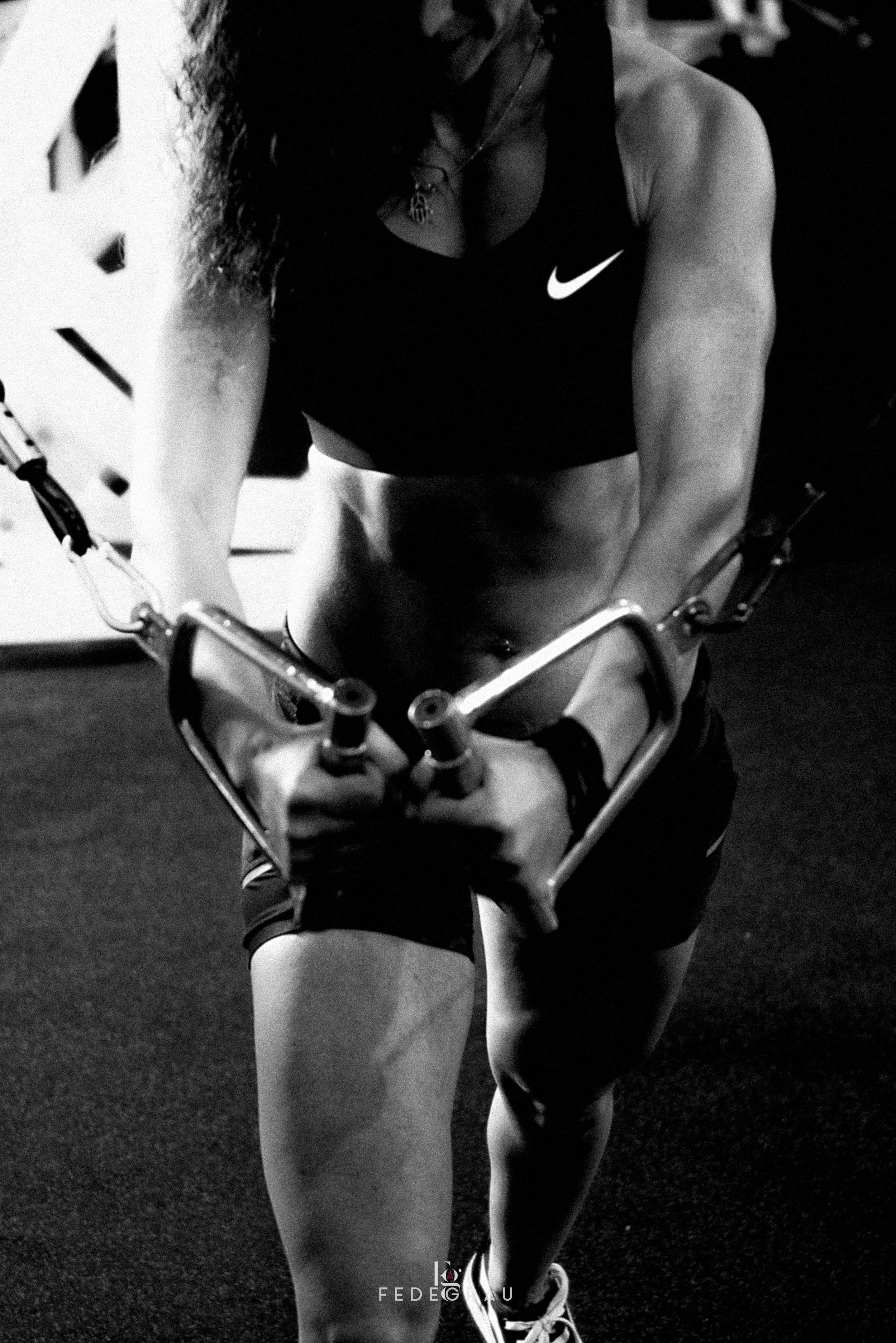
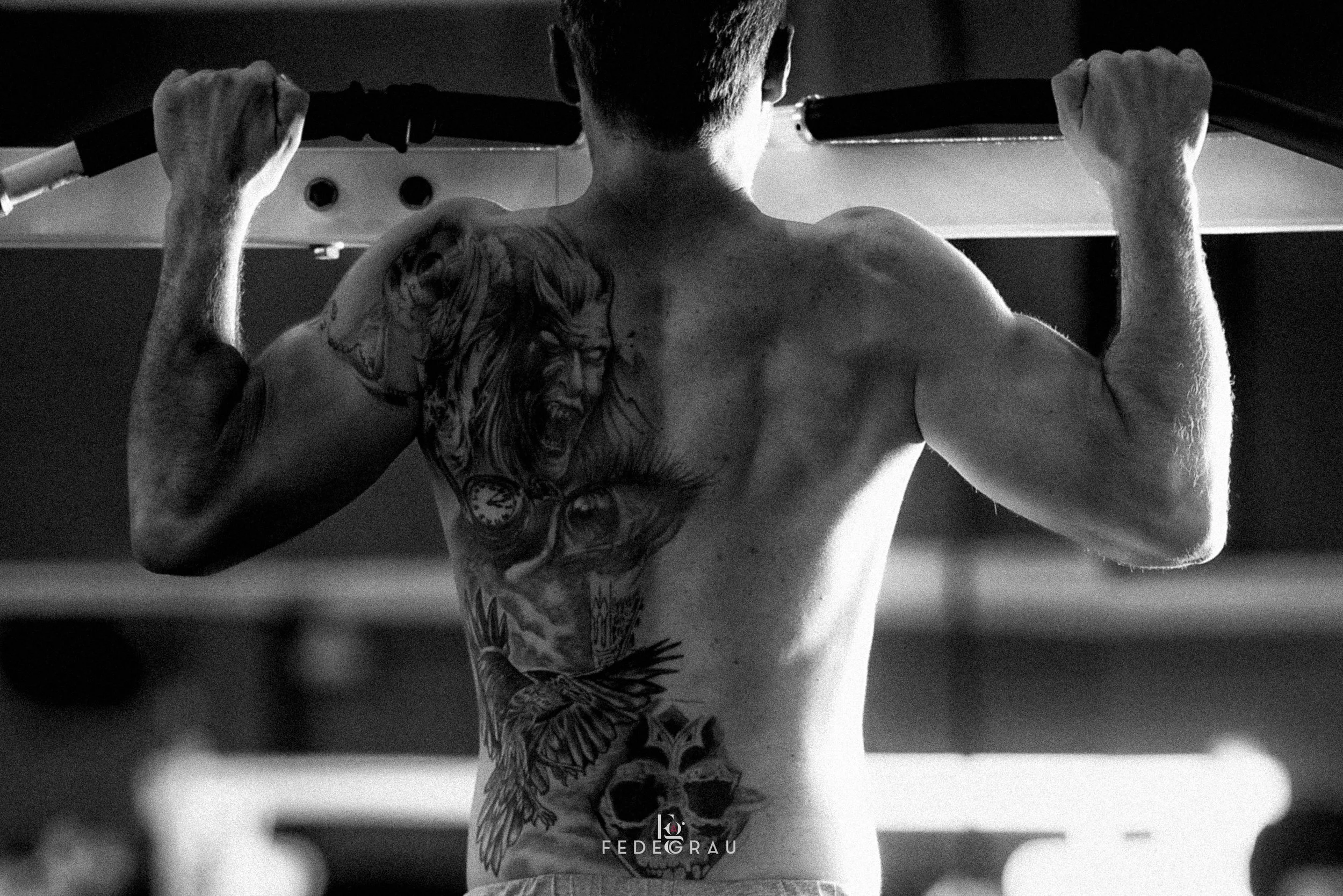
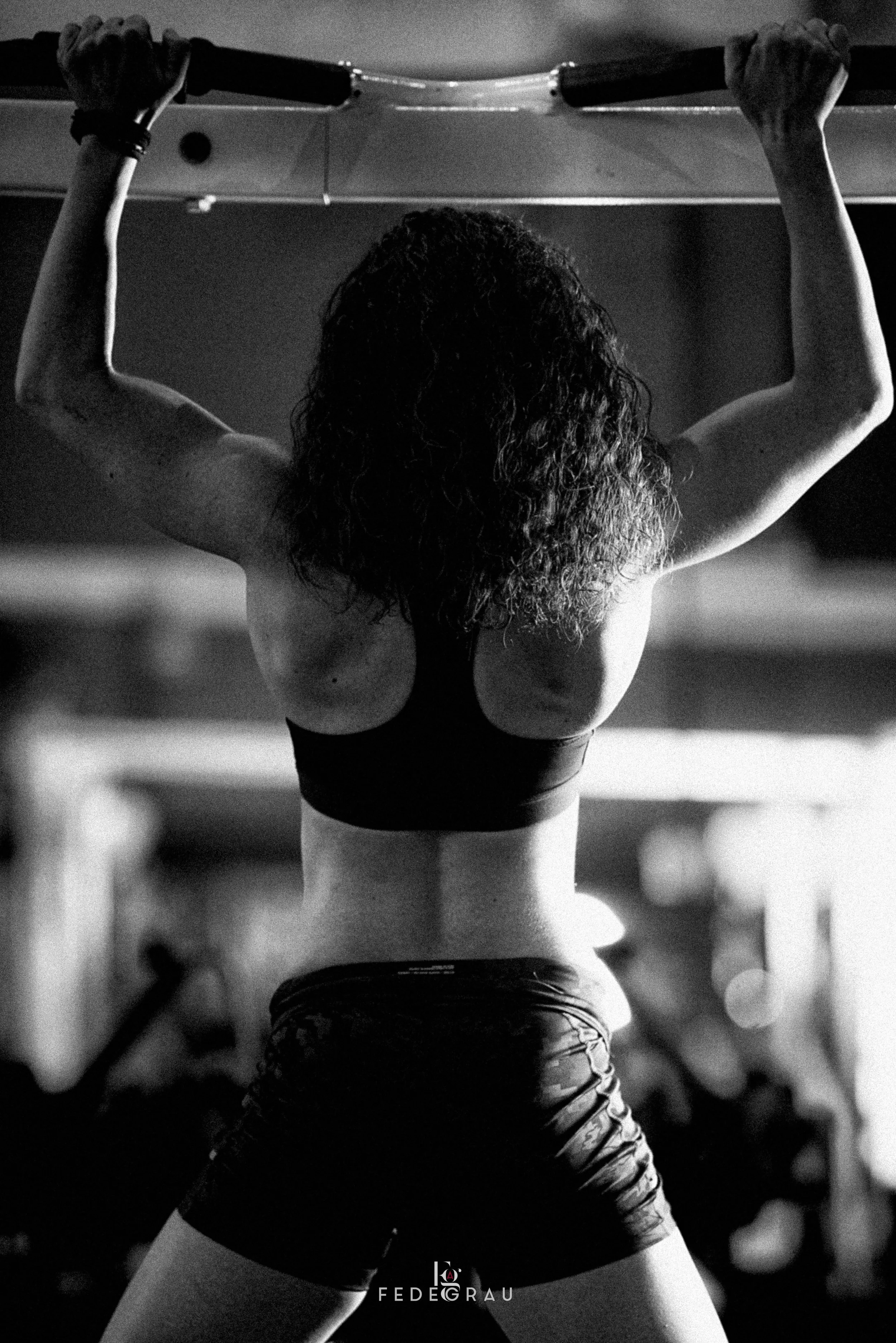
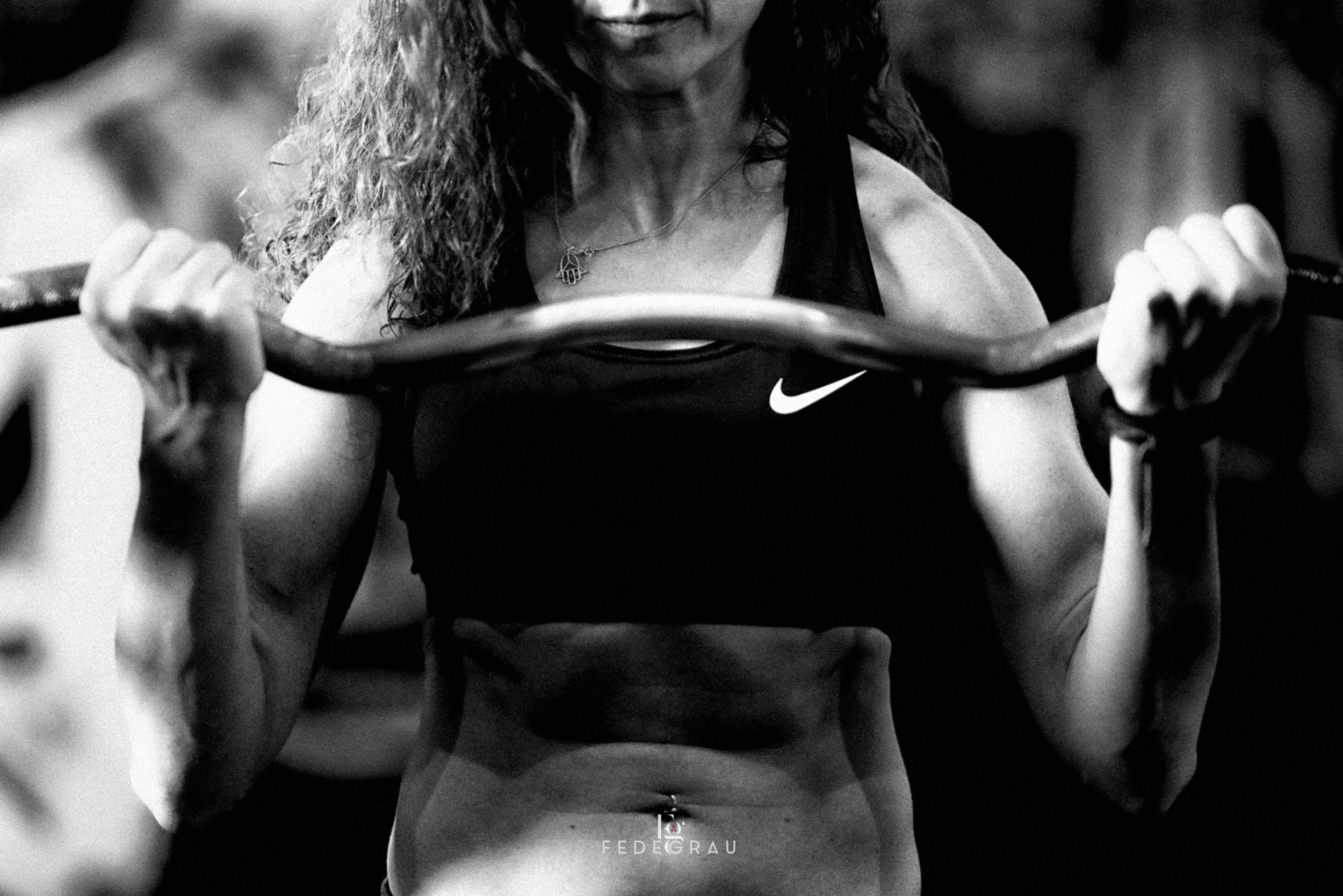
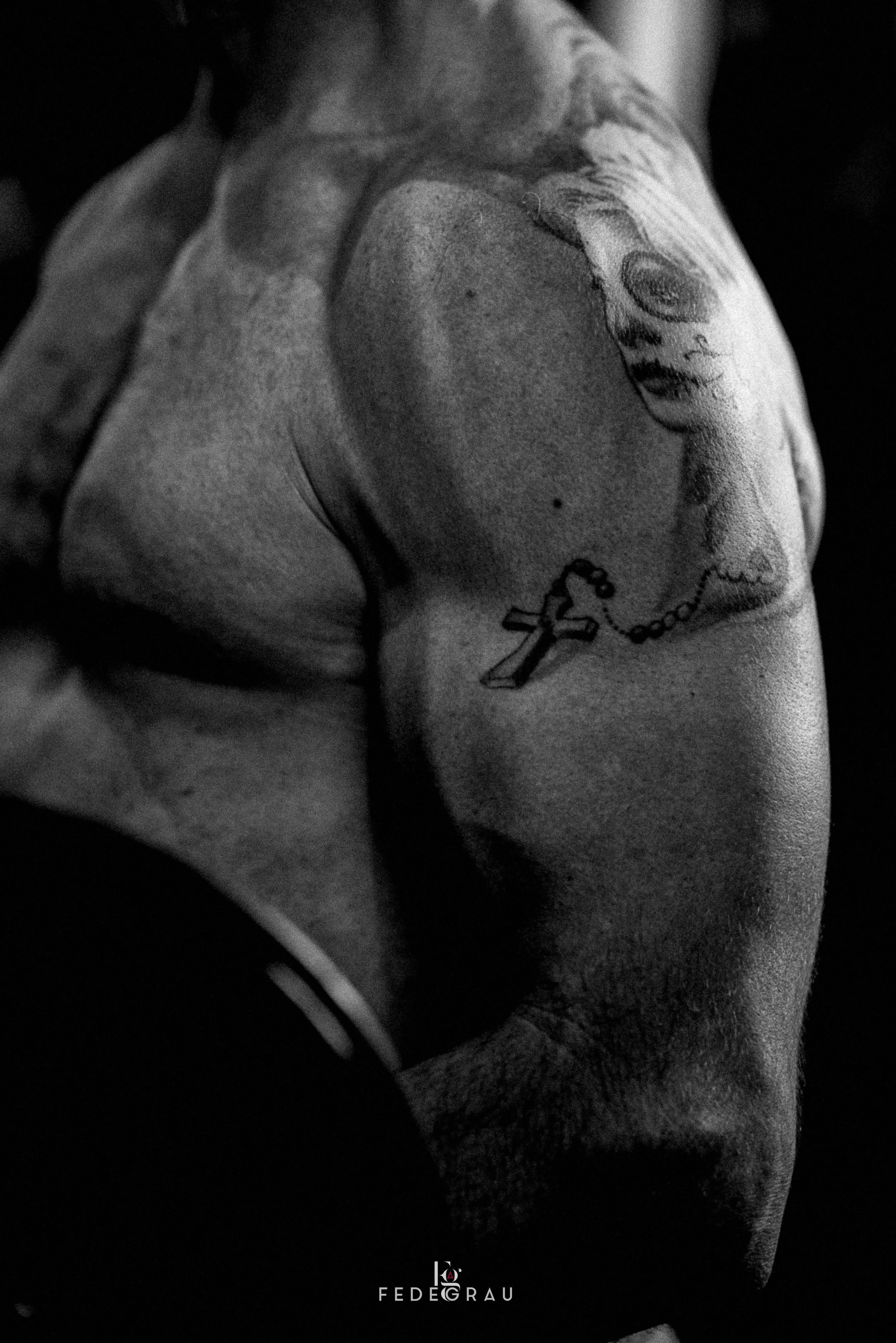
Twelve black-and-white photographs
ENGLISHThere’s a moment small, almost invisible when the body chooses to stay.
Not out of pride. Not for applause.
But for discipline. For faith in the process.
Anatomy of Effort is a series about that moment.
Here, strength isn’t spectacle it’s language.
The rope draws a line through the air.
The bar becomes a horizon.
The back turns into a relief that speaks of time.
And breath that intimate music sets the tempo of what can’t be seen.
In black and white, the body loses the anecdotal and gains truth.
Light can soothe, cut, or reveal.
Shadows hold what weighs.
Each image becomes a small architecture: tension, pause, repetition.
A map of effort.
This series isn’t about “training” to become someone else.
It’s about returning to what’s essential, what’s real, what remains when the noise fades.
Twelve pieces like twelve heartbeats.
A visual essay on quiet endurance.
Made with a Leica SL2, in search of a sober, direct aesthetic:
texture, contrast, and a gaze that doesn’t judge—only observes.
Because in the end, effort is also a form of beauty.
And sometimes beauty lives right there:
between one repetition and the next.
ESPAÑOLHay un instante mínimo, casi invisible en el que el cuerpo decide quedarse.
No por orgullo. No por aplauso.
Por disciplina. Por fe en el proceso.
Anatomy of Effort es una serie sobre ese momento.
Aquí la fuerza no es espectáculo: es lenguaje.
La cuerda dibuja una línea en el aire.
La barra se convierte en horizonte.
La espalda, en un relieve que habla de tiempo.
Y la respiración esa música íntima marca el ritmo de lo que no se ve.
En blanco y negro, el cuerpo pierde lo anecdótico y gana verdad.
La luz acaricia, hiere o revela.
Las sombras sostienen lo que pesa.
Cada imagen es una pequeña arquitectura: tensión, pausa, repetición.
Un mapa del esfuerzo.
Esta serie no trata de “entrenar” para ser otro.
Trata de volver: a lo esencial, a lo real, a lo que permanece cuando el ruido se apaga.
Doce piezas como doce latidos.
Un ensayo visual sobre la resistencia silenciosa.
Realizado con Leica SL2, buscando una estética sobria y directa:
textura, contraste, y una mirada que no juzga solo observa.
Porque, al final, el esfuerzo también es una forma de belleza.
Y la belleza, a veces, se encuentra justo ahí:
entre una repetición y la siguiente.
Location: Spain
#leicaSL2 #LeicaM10
Sigma L 85mm f1.4 DGDN | Art, 50mm Summilux-M
©2024 FedeGrau
THE LEICA CAMERA BLOG TOPICS - LEICA M COMMUNITY: M-LENSES
THE LEICA CAMERA BLOG - LEICA M COMMUNITY:
Read MoreLet It Go
When the day is long, And where does your heart beat, Why do I feel this way, How could I let it go, Why did I go that way. A small letter from @justinstewardfurstenfeld
Location: Spain
#LeicaM10 #leicaSL2
35mm Summilux-M 21mm Elmar-M 50mm Summicron-M
©2019-2020


Angels in Everything
From the back of the line to the light above the clouds, learning to live every moment with strength.
Read MoreCRUCIFIXES
Inside that hard-to-reach place where the tears come first and the story never quite arrives.
Read MoreTHE SYSTEM ONLY DREAMS IN TOTAL DARKNESS
A fractured dialogue of faith, secrets and distance in a world that only feels safe with the lights out.
Read MoreMAN'S BEST FRIEND
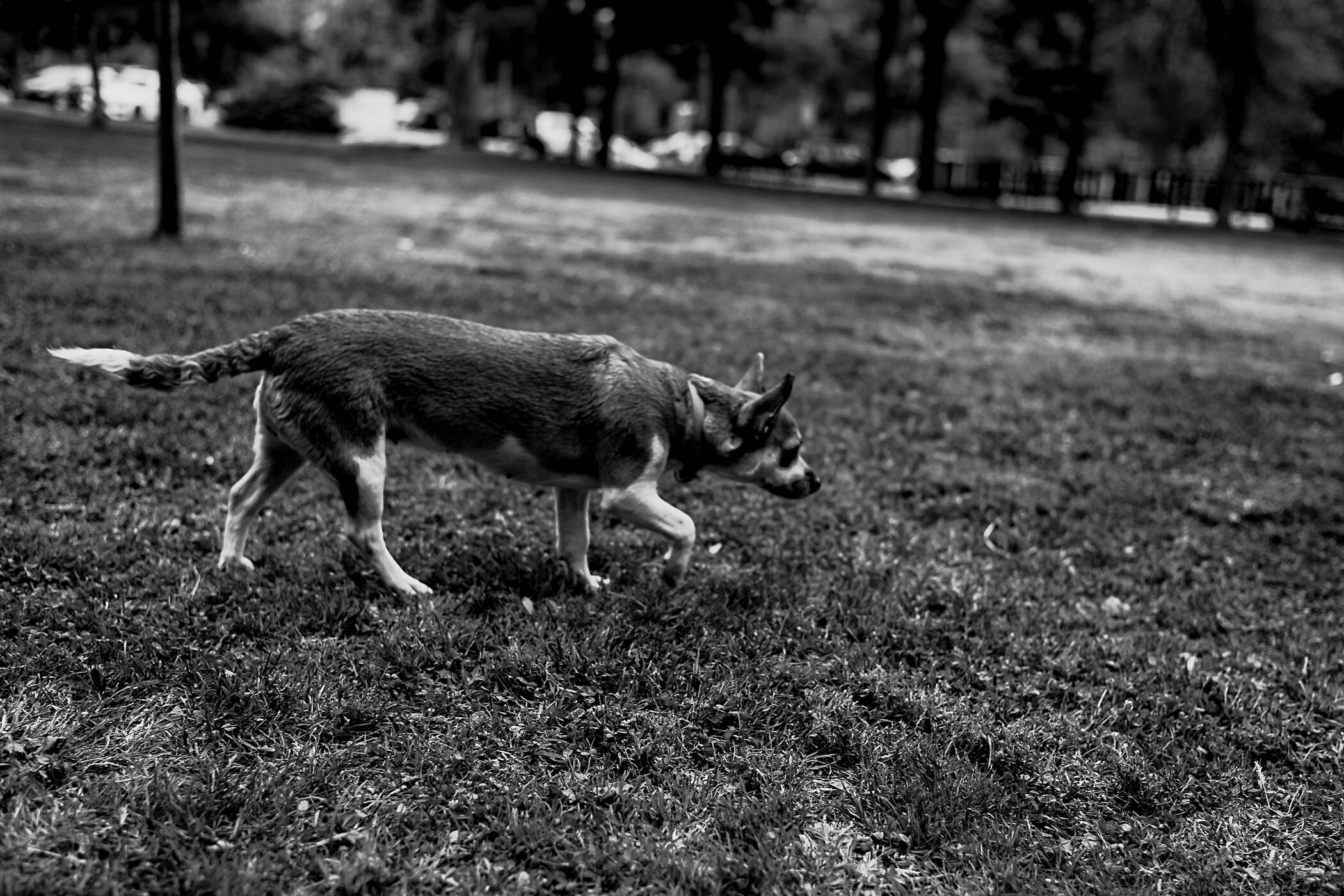
La frase se atribuye al abogado George Graham Vest quien representó en un juicio a Charles Burden; el dueño de un viejo foxhoun, un perro de caza que fue asesinado de forma cruel por su vecino. Y la pronunció el 23 de septiembre de 1870 durante un juicio en el que había sido contratado para representar a un cliente cuyo perro de caza llamado Old Drum había sido asesinado por Leónidas Hornsby, un granjero vecino. El propietario del can solicitaba una indemnización de 150 dólares (la mayor cuantía permitida por la ley).
En el argumento final, Graham Vest, pronunció un discurso frente a la corte que pasó a denominarse "El Elogio al perro" :
El jurado decidió en forma unánime castigar a Leónidas Hornsby con una multa de 550 dólares (400 dólares más de lo que marcaba el límite legal) y la frase "El perro es el mejor amigo del hombre" se hizo popular para siempre.
Dicho discurso tomó tanta fama que incluso, frente a la Corte Suprema de Missouri, se erigió una estatua del perro Old Drum con el texto pronunciado por George Graham Vest.
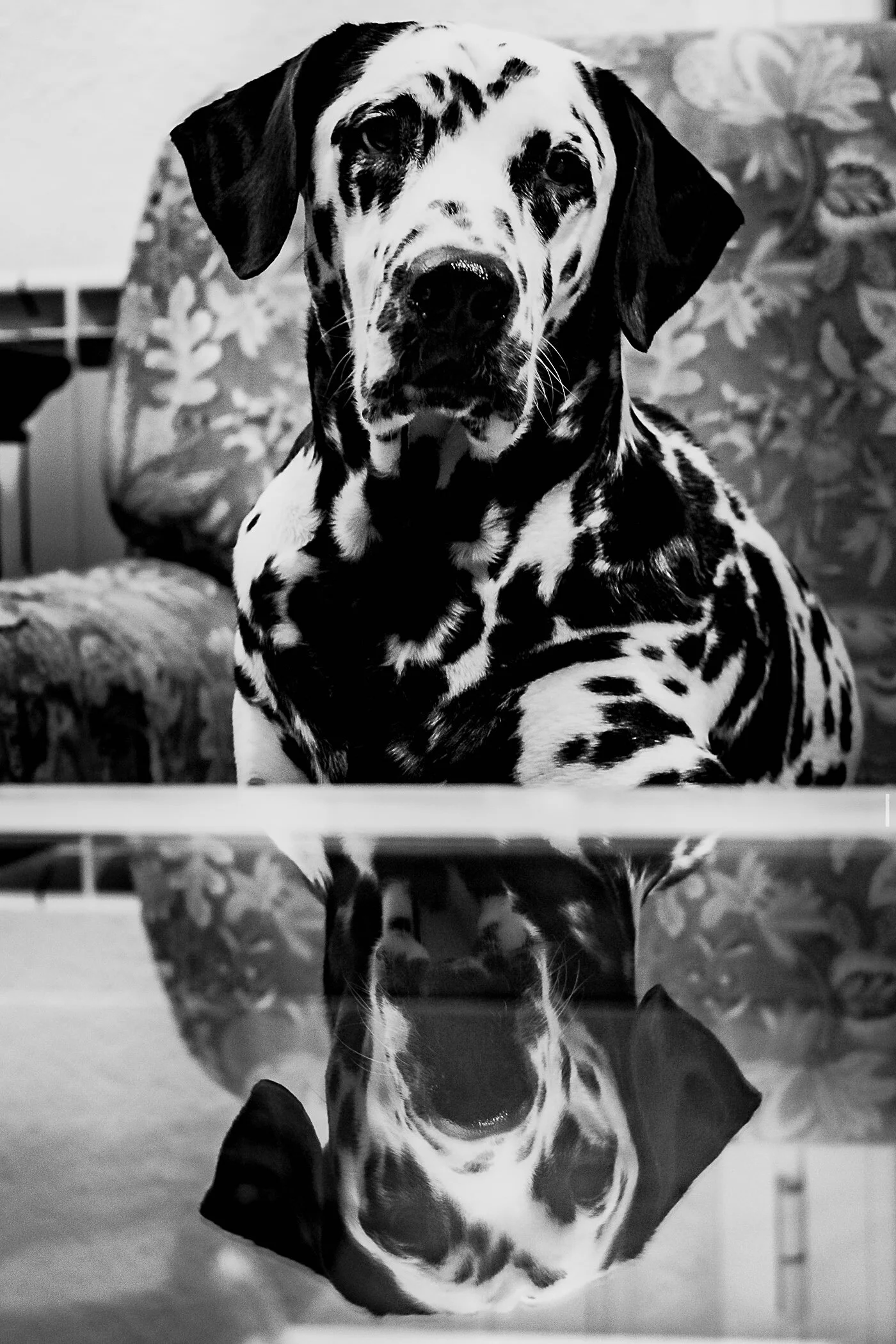
El Perro Domesticado, o sencillamente el Perro, sea por su inteligencia o fidelidad, se ha ganado el lugar más cercano al ser humano. Tanto que no sólo es el mejor amigo de hombre, sino que muchas personas lo consideran su único amigo. No existe compañía más leal ni guardián tan feroz y desinteresado como el perro. Aun así, son muchas las veces que la única recompensa que ofrecemos a este amigo tan sincero, de todos el mejor, es el maltrato y el abuso.
The phrase is attributed to attorney George Graham Vest who represented Charles Burden in court; the owner of an old foxhoun, a hunting dog who was cruelly murdered by his neighbor. And he delivered it on September 23, 1870, during a trial in which he had been hired to represent a client whose hunting dog named Old Drum had been killed by Leonidas Hornsby, a neighboring farmer. The owner of the dog was requesting compensation of $ 150 (the highest amount allowed by law).
In the closing argument, Graham Vest gave a speech in front of the court which was renamed "The In Praise of the Dog":
The jury unanimously decided to punish Leonidas Hornsby with a fine of $ 550 ($ 400 more than the legal limit) and the phrase "The dog is man's best friend" became popular forever.
This speech became so famous that, in front of the Missouri Supreme Court, a statue of the Old Drum dog was erected with the text pronounced by George Graham Vest.
The Domesticated Dog, or simply the Dog, whether due to its intelligence or fidelity, has earned the closest place to the human being. So much so that not only is he man's best friend, but many people consider him their only friend. There is no more loyal company or guardian so fierce and selfless as the dog. Even so, many times the only reward we offer to this sincere friend, the best of all, is mistreatment and abuse.





Go up or go down
Escaleras, pasarelas y estructuras que convierten el movimiento en duda
Read MoreHold the air and capture the moment
Hold the air and capture the moment
Read MoreSILENT INSIDE
As everyday life gets louder, science and old Persian wisdom agree: quiet is no luxury, it’s fuel for the brain.
Read MoreVisiones en ruinas
Estos lugares que una vez fueron tan pronto un lugar cotidiano, como tan pronto parece el mundo después del escenario apocalíptico
Read More